
When Should You Call a Vet for Your Dairy Herd?
Posted in: Dairy Animal Services
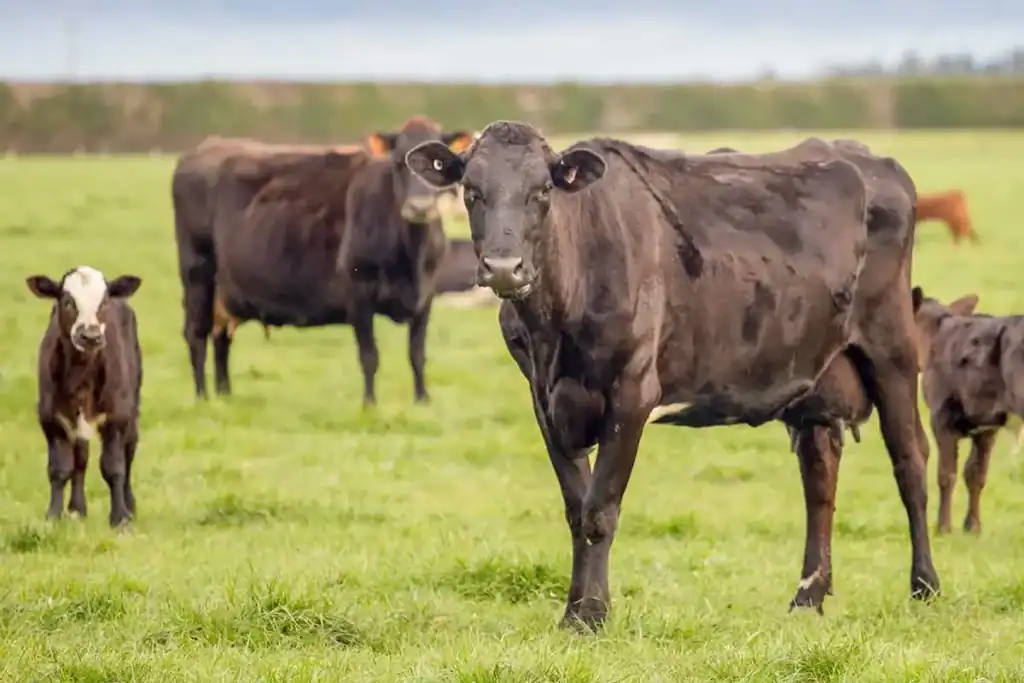
Knowing when to call your vet can make a big difference to herd health, production, and costs. Many problems in dairy cows are easier to treat early, before they affect the rest of the herd.
At Aorangi Vets in Timaru, we work with dairy farmers across South Canterbury to prevent problems where possible and provide practical veterinary support when issues arise. If something does not seem right in your herd, it is usually better to ask early rather than wait until the problem becomes more serious.
Below are some common situations where it is worth contacting your farm vet.
More Mastitis Than Usual
An increase in mastitis cases, high somatic cell counts, or repeated infections can be a sign of an underlying problem.
Possible causes include:
- Milking routine issues
- Poor teat condition
- Wet or muddy paddocks
- Late lactation infections
- Problems at dry-off
If mastitis cases are increasing, a teat check or milking management visit can help identify the cause and prevent ongoing losses.
See more on our Dairy Services page
Cows Losing Condition Late Season
Loss of body condition through late summer and autumn is common, but if cows are getting too light it can affect next season’s performance.
Low condition can lead to:
- Poor fertility
- Lower milk production
- Higher risk of disease
- Problems at calving
Body condition scoring and feeding advice can help get cows back on target before dry-off.
See more on our Dairy Services page
Fertility Problems or Poor In-Calf Results
If scanning results are lower than expected, or cows are slow to cycle, it may be worth reviewing herd health and nutrition.
Common causes include:
- Poor body condition
- Trace element deficiencies
- Infection
- Lameness
- Management issues
Your vet can help investigate the cause and plan changes for next season.
Early advice can prevent the same problem happening again.
Health Problems in Young Stock
Calves and young stock can lose condition quickly if something is wrong. Problems with growth, scours, or parasites can affect future production.
Contact your vet if you notice:
- Poor growth rates
- Rough coats
- Ongoing scours
- Lameness
- High sickness rates
Early treatment usually gives the best results.
Unsure About Dry-Off Planning
Dry-off is one of the most important times of the year for herd health. Mistakes at dry-off can lead to mastitis, poor condition, and problems at calving.
It may be worth talking to your vet about:
- Body condition targets
- Dry cow therapy
- Mineral supplementation
- Feed planning
- Herd health history
Planning ahead helps reduce stress for both cows and farmers.
See more on our Dairy Services page
Sudden Changes in Production or Behaviour
A drop in milk production, changes in behaviour, or unexplained illness can indicate a health problem in the herd.
Call your vet if you notice:
- Sudden production drop
- Multiple sick cows
- Lameness issues
- Decreased appetite or rumination
- Sudden deaths
Even a short visit can help identify the cause and prevent bigger losses.
Local Farm Vet Support in Timaru and South Canterbury
Aorangi Vets provides dairy veterinary services across Timaru, Geraldine, Temuka, and surrounding South Canterbury farms. Our team works closely with farmers to provide practical advice that suits local conditions.
Regular communication with your vet helps keep herds healthy, productive, and ready for the next season.
FAQ – Aorangi Vets | Dairy Herd Health | Trusted by Generations.
When should I call a vet for a cow?
Call your vet if a cow is sick, losing condition, not cycling, lame, or if several animals are affected.
Is it worth calling the vet early?
Yes. Many problems are cheaper and easier to fix if they are treated early.
Can a vet help with herd health planning?
Yes. Farm vets can help with reproduction, nutrition, dry-off, mastitis control, and overall herd performance.
Do vets do farm visits in South Canterbury?
Yes. Aorangi Vets provides on-farm veterinary visits across Timaru, Geraldine, and surrounding rural areas.
What is the most common problem seen in autumn?
Loss of body condition, mastitis, lame cows, and mineral deficiencies are common late-season issues.