
Getting Your Cows Ready for Calving Season – A Vet’s Checklist
Posted in: Dairy Animal Services
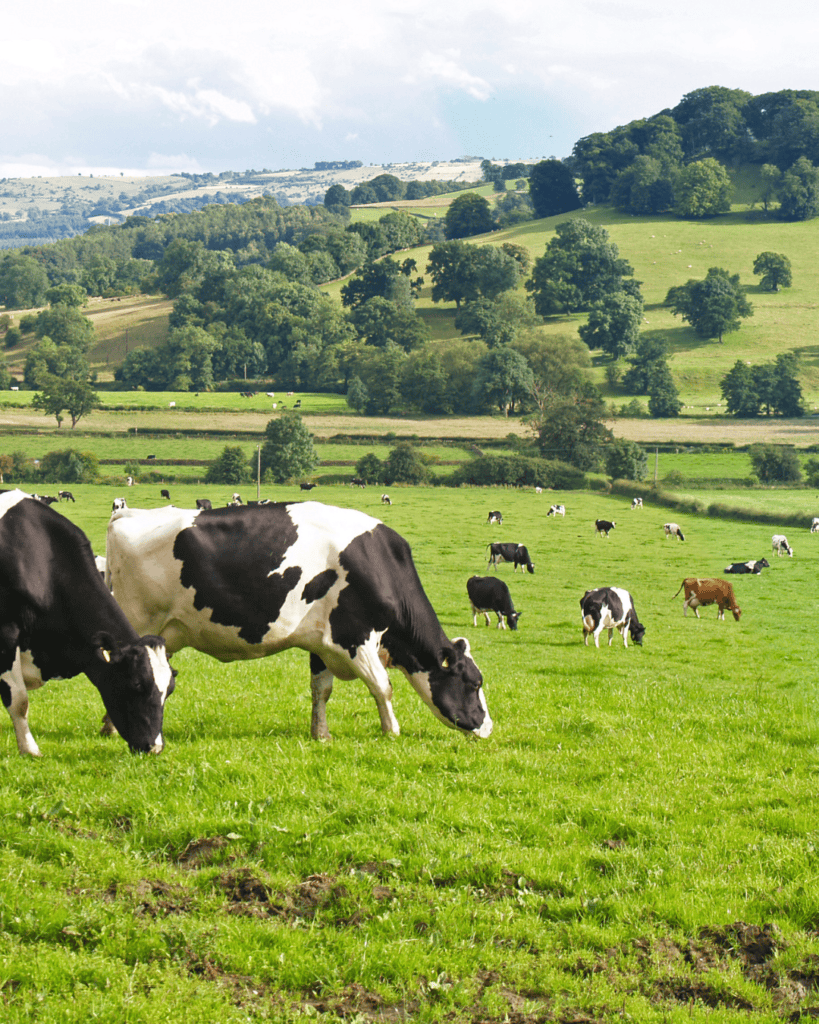
Calving season is the most demanding time of the year, and how well it goes often comes down to what you did in the eight to twelve weeks beforehand. The preparation you put in now directly affects cow health, calf survival rates, and how hard your team has to work when the season hits.
Here’s what we’d be ticking off before cows start calving across Canterbury.
1. Body Condition Score Your Cows Now
Body condition scoring (BCS) at dry-off or six to eight weeks before calving is one of the most useful things you can do. A cow calving in poor condition is at significantly higher risk of metabolic disease – milk fever, ketosis, and grass staggers – and is slower to cycle and get back in calf after calving.
Target BCS at calving:
- Dairy cows: BCS 5.0–5.5 for mixed age cows, and 5.5 for first and second calvers
- Beef cows: BCS 5.0–5.5 and first-calving heifers should be at the upper end
Cows that are too thin need immediate attention – there is a limited window to improve condition before calving, and it’s much easier and healthier for cows to maintain condition than to gain in late pregnancy. Overconditioned cows carry their own risks too, particularly for difficult calvings and fatty liver. If you’re not sure where your mob sits, give us a call – condition scoring is something we can help with.
2. Review Your Pre-Calving management
Metabolic disease around calving is largely preventable with the right management and nutritional programme in place beforehand. The key areas to have sorted before calving starts:
Cow nutrition
Getting nutrition right during this time helps support smoother calvings, better appetite after calving, and stronger immune function – all of which can reduce the risk of metabolic issues and improve cow performance. Balanced energy, minerals, and quality fibre are key to helping cows transition successfully into lactation.
Small adjustments during the transition period can make a big difference later on, with healthier cows, stronger calves, and improved productivity across the herd. We can work with you to best apply what feed you have on hand to meet the needs of your cows, to set them up right for lactation
Magnesium supplementation
Grass staggers (hypomagnesaemia) is a serious and fast-moving condition – a cow can go from apparently normal to down and convulsing in a very short time. Magnesium supplementation in the two to three weeks before calving and through early lactation is essential in most Canterbury systems. Options include magnesium oxide in feed, mag chloride or sulphate in water, springer mixes, dusting pasture, or boluses – the right approach depends on your system. If you haven’t reviewed this recently, now is the time.
Calcium management and milk fever prevention
Milk fever (hypocalcaemia) is most common in older dairy cows in the first 24–48 hours after calving. Managing dietary cation-anion balance (DCAB) in the dry period, using low-potassium feeds, and having calcium supplements ready for at-risk cows are all part of a solid prevention plan. High-risk cows – those that have had milk fever before, or older multiparous cows in your herd – are worth identifying ahead of time. Talk to your vet if you haven’t already about ways to reduce this nasty and time consuming disease.
Selenium and iodine
Selenium deficiency is widespread in New Zealand soils and can contribute to ill-thrift, white muscle disease in calves, and retained placentas. Iodine deficiency is also common in some Canterbury areas. Supplementation through selenium injection, bolus, or pasture application should be timed appropriately before calving – ask us about what’s right for your property if you’re unsure.
3. Vaccinations – Get Them Done Six Weeks Out
Pre-calving vaccinations protect both the cow and the calf – the immunity the cow generates is passed to the calf through colostrum, which is the only protection a newborn calf has in its first hours and days of life.
Vaccines to consider before calving:
- Rotavirus and Coronavirus (Rotavec Corona): given to cows 4–6 weeks before calving to reduce calf scours. Alongside management changes, this is one of the most cost-effective interventions available if scours is a recurring issue on your property.
- Bovilis Cryptium: Given to cows 8 and 4 weeks prior to calving (with a single annual booster in subsequent years), to help protect newborn calves against cryptosporidiosis – another common cause of calf scours not included in the Rotavec vaccine. This is a new tool in our toolkit and we re excited to be able to offer it
- Clostridial vaccines (5-in-1, 7 in 1 or 10-in-1): protection against blackleg, pulpy kidney, tetanus, and other clostridial diseases. Annual boosters in cows; check your programme is current.
- Leptospirosis: important both for animal health and for the health of people working with cattle. Lepto is a zoonotic disease – it can infect humans – and is a genuine occupational health consideration for anyone involved.
- BVD (Bovine Viral Diarrhoea): if BVD is a risk on your property or in your area, pre-mating vaccination of cows protects against reproductive losses and persistently infected (PI) calves, and this needs to be done soon after calving if the herd hasn’t had the vaccine previously.
Timing matters with vaccines – most need to be given at least four to six weeks before calving to build adequate immunity in the colostrum. If you’re not sure what’s due or what your herd’s vaccination history looks like, get in touch with us now rather than leaving it too close to the season.
4. Teat Sealing for Dry Cows
Internal teat sealants applied at dry-off are one of the most effective tools available for reducing new mastitis infections during the dry period. They create a physical barrier in the teat canal that blocks environmental pathogens from entering the udder.
For cows with a clean somatic cell count history, teat sealing alone (selective dry cow therapy) is increasingly common and aligns with responsible antibiotic use. For cows with a history of mastitis or elevated SCC, antibiotic dry cow therapy alongside teat sealing remains the recommended approach.
If you’re not already teat sealing, it’s worth a conversation before this dry period ends. Our team can help you work through which cows need what.
5. Get Your Calving Kit and Facilities Ready
The middle of a busy calving night is not the time to discover you’ve run out of colostrum or can’t find the calf feeding tube. Get everything together now.
Calving kit essentials
- Obstetrical lubricant and calving ropes
- Calving jack (if used) – check it’s in working order
- Frozen colostrum bank from early first-milking cows
- Calf feeding tube and stomach feeder
- Electrolyte sachets in case of scouring calves
- Calcium solutions (e.g. Triple mix) for at-risk cows – have several on hand
- Magnesium bags for grass staggers treatment. Keep these separate so they don’t go IV!
- Calcium bags for milk fever cows
- Clean towels and a calf cover or two for cold nights
- Aorangi Vets phone number – saved in your phone for afterhours if needed
Facilities check
- Calving paddocks and yards are clean, well-drained, and not overcrowded
- Lighting in calving sheds is adequate for night checks
- Calf pens are bedded, dry, draught-free, and disinfected from last season
- Water supply to calving area is reliable
6. Know When to Call the Vet
Most calvings are straightforward. But knowing when to call for help – and calling early – saves cows and calves.
Call us if:
- A cow has been in active labour (visible straining and/or can see part of the calf) for more than 30 minutes without any progress and you’re not confident assisting her yourself
- You can feel the calf but it’s in an abnormal presentation you can’t correct it before pulling the calf
- The cow is exhausted and labour has stalled
- The cows had an assisted calving and you are worried about the cow (bleeding, something doesn’t feel right etc)
- A cow goes down after calving and won’t get up despite treatment (suspect milk fever or nerve damage)
- There is a prolapsed uterus – this needs immediate veterinary attention
The rule of thumb most experienced farmers use: if you’ve been working on a calving for 20–30 minutes without meaningful progress, pick up the phone. A call costs nothing; a delayed call can cost a cow.
Talk to Us Before the Season Starts
If you’d like to go through your pre-calving programme with one of our vets – whether that’s reviewing your pre and post calving nutrition, mineral supplementation, scheduling vaccinations, staff training, or talking through anything that went wrong last season – get in touch with us at Aorangi Vets. We work with cattle farmers across Timaru, Geraldine, Fairlie, and the wider Canterbury and Mackenzie Country region, and we’re happy to help.
Frequently Asked Questions
When should I start preparing for calving season in New Zealand?
Six to eight weeks before your expected calving start date is the ideal window to have your pre-calving programme in place. This gives you enough time to body condition score your mob and adjust feeding if needed, administer pre-calving vaccinations with enough lead time for immunity to build through colostrum, start or review magnesium and calcium supplementation, and get your calving kit and facilities in order. For most Canterbury dairy farms, this means preparation work should be well underway by late May or June.
What is the most common cause of cow deaths around calving in NZ?
Milk fever (hypocalcaemia) and grass staggers (hypomagnesaemia) are among the most common and preventable causes of cow deaths around calving in New Zealand. Both are metabolic conditions driven by nutritional imbalances, and both are largely preventable with the right supplementation programme in place before calving starts. Dystocia (difficult calving) and uterine prolapse are also significant, and are best managed by good monitoring and early veterinary intervention when needed.
How long should a cow be in labour before I call the vet?
If a cow has been in active labour – visible straining and pushing – for 30 minutes without meaningful progress, it’s time to investigate or call for help. She may have been going for a while before you first spotted her – if something doesn’t look or feel right, get her in and check her. If you’ve assessed the situation and have been assisting for 20–30 minutes without progress, call your vet. Waiting too long significantly reduces outcomes for both the cow and calf. Most experienced farmers and vets will tell you the same thing: early calls are always better than late ones.
What vaccinations should I give cows before calving?
The key pre-calving vaccines in New Zealand are Rotavec Corona (for calf scours protection via colostrum), clostridial vaccines (5-in-1, 7-in-1 or 10-in-1) and leptospirosis. Most need to be given four to six weeks before calving to generate adequate immunity. Your specific programme will depend on your herd history and what’s been a problem in previous seasons – talk to your vet to make sure you’ve got the right vaccines at the right time.
How do I prevent calf scours during calving season?
The most important factors in preventing calf scours are adequate colostrum intake within the first six hours of life (at least 10% of the calf’s bodyweight), early age nutrition (milk volume), pre-calving vaccination of cows with Rotavec Corona, clean and well-managed calving environments that limit pathogen challenge, and avoiding mixing calves of very different ages and groups. If scours is a recurring problem on your property, it’s worth identifying both risk factors and which pathogens are involved – treatment and prevention differ depending on whether you’re dealing with rotavirus, cryptosporidium, E. coli, or salmonella.