
Expert Advice
Companion Animals
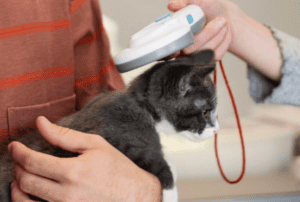
Microchips are essential for reuniting lost pets with their owners. It’s as simple as placing a chip the size of a grain of rice under their skin – this can be done at any time, but is often carried out at the same time as vaccination or desexing, and it’s quick…

Getting a dog is a big responsibility and having them well trained and socialised from an early age is essential. We run regular Puppy Classes where you can learn about how best to care for your pup and we teach you the basics of training…

Summer time is kitten season! If you’ve just brought home a cute little bundle of fluff, here’s what you need to know.
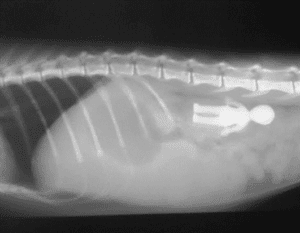
One very common, and very avoidable, cause for a vet visit is when a pet has eaten an object that’s become lodged in their digestive tract (we call them digestive tract foreign bodies). The signs of an obstruction can vary depending on where abouts in…
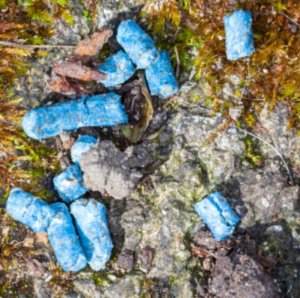
Most slug and snail baits contain metaldehyde, a chemical that’s readily absorbed and affects the nervous system. Poisoning can cause tremors and seizures within a short time of ingestion, so any suspected exposure needs urgent veterinary attention. Last month we discussed how toxic antifreeze can be for our pets,…

Cats are typically very territorial, and can find new places, faces, and scents quite stressful. Being bundled into a carrier and then driven to the clinic can make them understandably anxious. Here are a few ideas for ways to make your pet cat’s visit less…
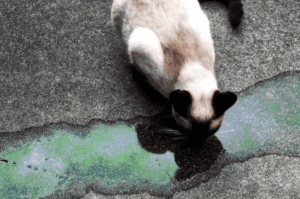
Antifreeze (ethylene glycol) has a sweet taste that attracts pets, especially cats – but even a small amount can cause fatal kidney damage. Watch for wobbliness, vomiting, and increased thirst or urination, and get to a vet immediately if you suspect exposure; treatment is most successful when started early. …

Toileting problems are one of the most common behavioural issues reported in cats. One possible cause is an inadequate litter tray (in the cat’s eyes!). Here are a few tips to provide the best litter tray conditions. 1) Always provide a tray, even for outdoor cats. …

As summer gets underway, taking your dog to the lakes or a river is a great way to keep cool and enjoy time with family. Unfortunately, warm weather also causes Cyanobacteria, a type of toxic algae, to grow rapidly. It can grow on the bottom…
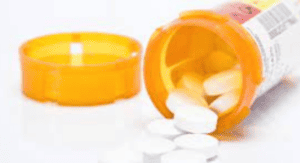
If your dog has eaten ibuprofen, call your vet immediately – don’t wait for symptoms to appear. Ibuprofen is one of the most common human medications involved in accidental pet poisonings, and even a small amount can be dangerous for a dog. This guide covers why ibuprofen is unsafe…