
Calf Feeding: From Colostrum to Weaning
Posted in: Dairy Animal Services
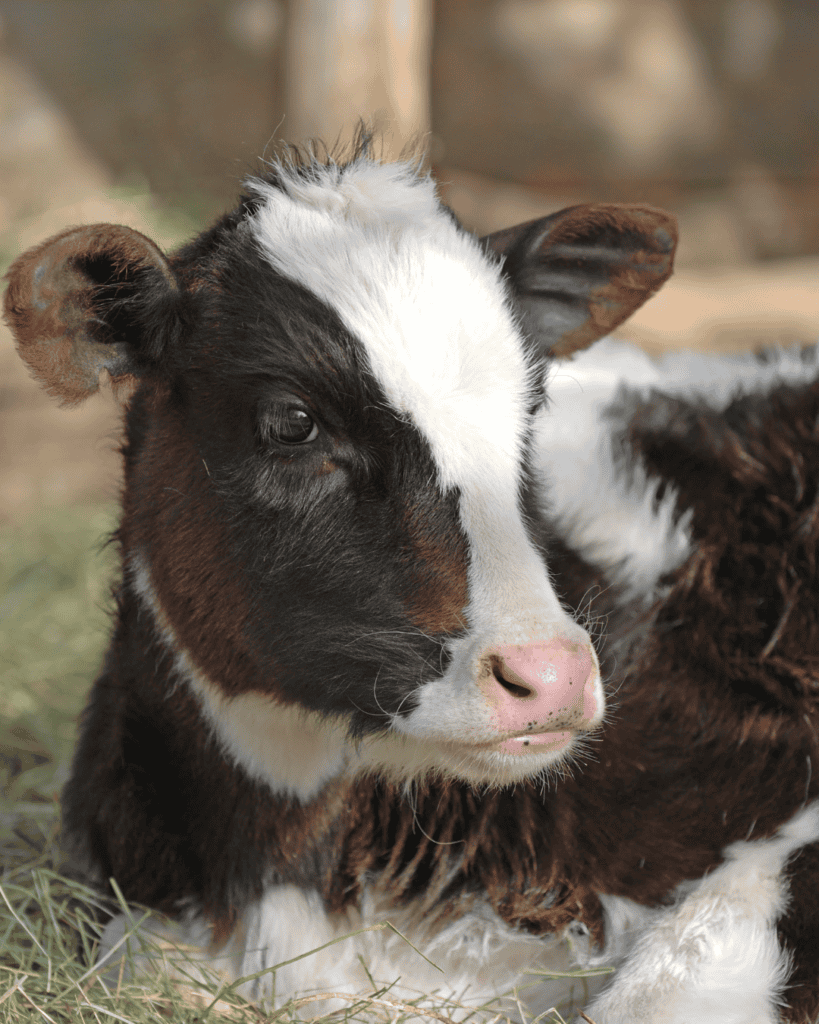
It’s that time of year again – calves are dropping and heading into their warm, dry sheds, eagerly awaiting their first feed. Getting calf feeding right from day one sets the tone for the rest of the animal’s productive life, and it’s a lot more than just colostrum on day one.
Getting Colostrum Right – The First 12 Hours
We recommend quality colostrum is given quickly and in a high enough quantity that calves reap the full benefit of maternal antibodies.
1. Quickly – A calf needs its first feed within 6–12 hours of birth. Calves build their immune system by absorbing antibodies from the cow’s first colostrum, and after this window closes, they can no longer absorb those protective antibodies. 6 hours after birth – the intestine’s ability to absorb antibodies has decreased by 30–50%.
2. Quality – Colostrum from the first milking is best, known as “gold colostrum.” Antibody levels decline with each milking after that. You can measure colostrum quality using a Brix Refractometer, a reading over 22 indicates good quality, high-antibody colostrum. Because colostrum quality varies widely between cows and can’t be judged by eye, we recommend testing all gold colostrum you’re keeping.
3. Quantity – A calf needs a minimum of 10% of its body weight in colostrum within the first 12 hours (a 40kg calf needs at least 4L), split across at least two feeds. Avoid feeding more than 2–3 litres in one feed and leave at least two hours between feeds. We generally recommend tube feeding the first feed – if a calf doesn’t suckle, don’t stress, they’ve already had their first intake covered.
Calves that don’t get adequate quality colostrum intake start on the back foot: roughly twice the risk of disease or death, around a 7kg lower weight at 6 months, and reduced milk production in their first lactation. These calves are the future of your milking herd, so it’s worth getting this stage right.
Feeding Milk to Requirements After Colostrum
Once colostrum feeding is sorted, calves need to be fed to their nutritional requirements – whole milk or a quality milk replacer right through to weaning. This stage is often overlooked, but it’s just as important as those first colostrum feeds.
Twice-daily milk feeding in the early weeks generally supports better growth and health outcomes than once-a-day feeding, since calves can’t always consume enough milk in a single sitting to meet their needs. Milk should be fed warm, and consistency in temperature and timing helps reduce digestive upsets.
Introducing Solid Feed and Water
Calves will start nibbling at pasture or meal as soon as they’re exposed to it, and the earlier they start on solid feed, the faster their rumen develops. Access to fresh water is important from birth – even calves on an all-milk diet will drink some water, and intake increases as solid feed intake goes up.
Weaning Calves Off Milk
Weaning works best as a gradual, step-down process rather than a sudden cut-off – this gives the rumen time to adjust and helps maintain growth rates through the transition. How long this takes depends on how much milk a calf has been getting, so it’s worth planning this out rather than weaning on a fixed calendar date.
Talk to Your Vet About Your Calf Feeding Plan
Every farm and herd is a little different. Our dairy and cattle team across Geraldine, Timaru, and Fairlie can help you put together a colostrum and calf feeding plan that fits your system.
Contact Highfield Timaru: 03 687 9378
Contact Geraldine: 03 693 1163
Contact Fairlie: 03 685 8407
Frequently Asked Questions
How much colostrum does a newborn calf need?
A minimum of 10% of its body weight within the first 6-12 hours of life – for example, at least 4L for a 40kg calf.
What is a Brix refractometer used for?
It measures colostrum quality by estimating antibody concentration. A reading above 22 indicates good quality “gold” colostrum.
How often should I feed milk to a calf before weaning?
Twice-daily feeding is generally recommended in the early weeks, as calves often can’t consume enough milk in one sitting to meet their nutritional needs.
When can I start weaning a calf off milk?
Weaning should be a gradual step-down process rather than a fixed date, timed around solid feed intake rather than the calendar. Timing depends on how much milk the calf has been receiving.
Do calves need water before they’re eating solid feed?
Yes – calves benefit from water access from birth, and intake naturally increases as they start eating more solid feed.