
Is Your Senior Pet Slowing Down? It Could Be More Than Just Ageing
Posted in: Companion Animals
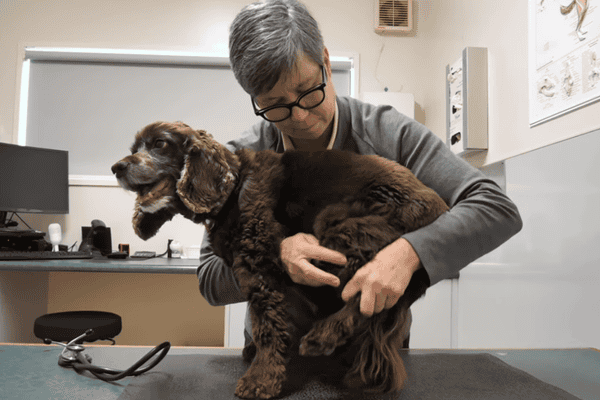
Many pet owners assume it’s normal for older dogs and cats to slow down. But reluctance to jump, stiffness after resting, struggling with stairs, or reduced enthusiasm for walks can all be signs of osteoarthritis or chronic pain.
The good news is that there are now more options than ever to help senior pets stay comfortable and enjoy a great quality of life.
At Aorangi Veterinary Services, our clinics in Timaru, Geraldine and Fairlie see a lot of older pets through Canterbury’s colder months – and winter is often when arthritis becomes most noticeable. If your dog or cat is struggling more than usual right now, it’s worth getting them checked out sooner rather than later.
Signs Your Senior Pet May Be in Pain
Dogs and cats show discomfort differently. Dogs tend to be more obvious – limping, reluctance to use stairs, or slowing on walks. Cats are much better at hiding pain, so the signs can be subtle: hesitating before jumping onto the couch, sleeping in lower spots than usual, or grooming less around their hindquarters.
Common signs to watch for in both species include:
- Stiffness when getting up after rest
- Reluctance to jump, climb stairs or get in and out of the car
- Reduced activity or shorter walks
- Irritability or changes in behaviour
- Muscle loss around the hindquarters
- Difficulty squatting to toilet
If you’re noticing any of these, it’s worth a conversation with one of our vets.
What is a Senior Pet Mobility Assessment?
A Senior Pet Mobility Assessment is a dedicated consultation that looks at your pet’s movement, comfort and overall health.
During the appointment, your veterinarian will:
- Assess your pet’s mobility and gait
- Check for signs of pain or osteoarthritis
- Perform a general health examination
- Discuss treatment options and long-term management
- Recommend nutrition, supplements or home care where appropriate
Watch: What Happens During a Senior Pet Mobility Assessment?
In this in depth video, AVS veterinarian Meg Catherwood explains what happens during the assessment, what we look for, and why early intervention can make such a difference.
Why Early Diagnosis Matters
Osteoarthritis develops gradually, meaning many pets hide the signs until they’re already living with chronic pain.
Treatment for osteoarthritis has come a long way in recent years. Monthly anti-nerve growth factor injections (Librela for dogs, Solensia for cats) are now available and have been a game-changer for many older pets – offering meaningful pain relief without daily medication. Combined with weight management, joint support and simple home modifications, most pets can maintain a genuinely good quality of life well into their senior years.
Recognising these changes early allows us to create a tailored management plan that may include:
- Pain relief medications
- Monthly arthritis injections
- Weight management
- Prescription joint diets
- Joint supplements
- Lifestyle and home comfort recommendations
Our aim is simple: to help your pet stay active, comfortable and happy for as long as possible.
Winter Offer
This winter, we’re offering 50% off Senior Pet Mobility Assessments when you book before 31 August.
It’s the perfect opportunity to check how your older pet is coping through the colder months and put a plan in place if they’re beginning to slow down.
Book your appointment today by contacting your nearest Aorangi Veterinary Services clinic in Geraldine, Timaru or Fairlie.
Frequently Asked Questions
What age is considered senior for dogs and cats?
Generally, dogs are considered senior from around 7 years old, though larger breeds age faster and may reach senior status at 5–6. Cats are typically considered senior from 10–11 years. Your vet can advise based on your pet’s breed and individual health history.
Is slowing down just a normal part of ageing?
Some slowing is normal, but pain and reduced mobility don’t have to be. Osteoarthritis is one of the most common and most under-treated conditions in older pets – and most animals hide discomfort well until it’s significant. A mobility assessment helps distinguish normal ageing from something that can be managed.
What’s the difference between a regular vet check and a mobility assessment?
A Senior Pet Mobility Assessment is a dedicated consultation focused specifically on movement, comfort and pain assessment. It goes deeper than a routine check-up, with structured gait evaluation and a targeted discussion about long-term management options.
Can cats get arthritis too?
Yes – feline arthritis is very common but frequently missed because cats are so good at masking pain. Studies suggest the majority of cats over 10 have some degree of joint disease. The signs are often behavioural rather than physical, which is why a targeted assessment is so valuable.