
Lamb Drenching: Getting It Right on Canterbury Farms
Posted in: Sheep Services
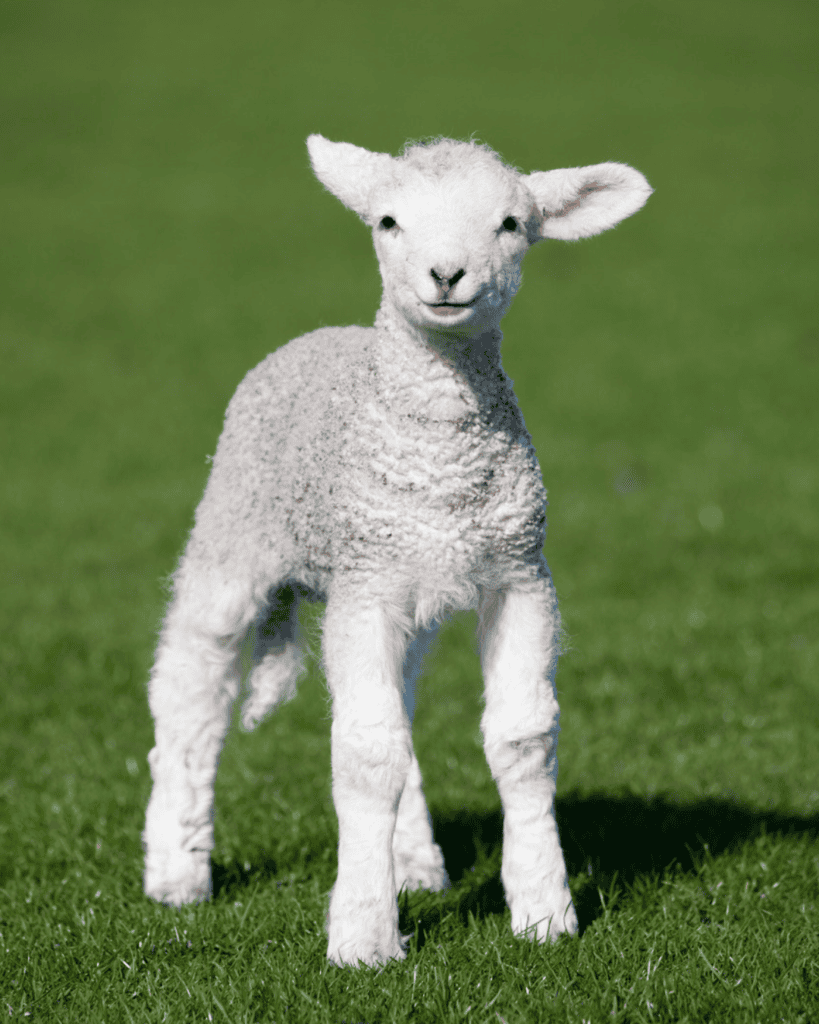
Drenching lambs removes the worm burden that holds back growth, and works best as part of a broader worm management plan that supports animal health, performance and a sustainable farming system. The right approach on any given farm depends on worm challenge, lamb growth rates, pasture history and drench resistance status.
At Aorangi Vets we work with sheep farmers across Canterbury, from the Geraldine flats and Timaru coast through to the Canterbury foothills, high country and Mackenzie Basin, on worm management programmes that suit the property rather than the label on a drum.
When to Drench Lambs
Worm challenge builds as lambs start eating more pasture and their own immunity is still developing. The pressure varies enormously between properties and seasons, so the useful question isn’t “how often” to drench but “what is the worm challenge like right now, what is the feed situation like, how are the lambs growing, what is the faecal egg count (FEC)?”
Regular monitoring of growth rates, FEC and feed supply helps determine whether drenching is required.
Faecal Egg Counting Before You Drench
A faecal egg count tells you what’s actually happening in the mob rather than what you assume is happening. Used regularly, FEC testing lets you drench when there’s a genuine burden, skip drenches that would have achieved nothing, and pick up drench failure early.
A faecal egg count reduction test takes this further by measuring how well a drench actually worked on your farm. If a drench family isn’t performing, you want to know before it costs you a season of lamb growth.
We submit faecal egg counts through our Timaru, Geraldine and Fairlie clinics and can help you set up a worm management plan.
Drench Resistance: Why It Matters Here
Drench resistance is widespread across New Zealand sheep farms and it develops quietly. By the time you notice, the affected family is often well past useful.
The practices that slow it down are well established:
- Use a combination drench rather than a single active, so worms surviving one active are usually hit by another
- Dose to the heaviest animal in the mob, and check your drench gun is delivering accurately
- Leave some worms in refugia – the undrenched population that keeps susceptible genetics in the mix
- Quarantine drench all incoming stock so you’re not importing someone else’s resistant worms
- Test, don’t assume. A drench that worked three years ago may not be working now
Quarantine Drenching Incoming Sheep
Any sheep coming onto the property, whether bought-in lambs, trade stock or grazing returns, can bring resistant worms with them. A quarantine drench on arrival, followed by holding stock off clean pasture for a period, keeps that risk on the truck rather than in your paddocks.
Coccidiosis and Tapeworm in Lambs
Not everything that looks like worms is worms. Coccidiosis is a parasite of young stock that causes scouring, dehydration and ill thrift, often after a stress event such as weaning or a feed change. It needs a different approach to roundworm and some products combine both.
Tapeworm segments in lamb dung are alarming to look at but are generally far less damaging to growth than roundworm. Before treating specifically for tapeworm, it’s worth confirming whether it’s actually the thing holding your lambs back.
Drenching and Lamb Growth
Drenching isn’t a growth programme or a complete worm management plan on its own. Feed quality, pasture management, trace element status and a clean grazing plan all sit alongside it. All parts need to be done well to achieve optimal performance.
Where we add most value is connecting those pieces: looking at your growth data, your FEC results, your trace element status and your grazing rotation together, then building a programme that fits the farm.
Talk to Our Sheep Vets
If you want to discuss how worm management can help achieve lamb growth targets, give your nearest clinic a call.
Timaru 03 687 9378 · Geraldine 03 693 1163 · Fairlie 03 685 8407
Frequently Asked Questions
When should I drench my lambs?
There’s no set calendar answer. Worm challenge varies enormously between properties and seasons, so the useful question is what the worm challenge is like right now, what the feed situation is like, how the lambs are growing and what the faecal egg count (FEC) shows. Regular monitoring of growth rates, FEC and feed supply helps determine whether drenching is required.
How do I know if my lamb drench is still working?
A faecal egg count reduction test measures it directly. You count eggs before drenching and again after, and if the reduction falls short of what the product should achieve, that drench family is losing effectiveness on your farm. It’s the only reliable way to know, since lambs can look acceptable while a drench is quietly failing.
Should I drench lambs on a set calendar or test first?
Testing first is better. Faecal egg counting shows whether a genuine burden exists, which means you drench when it pays and skip drenches that would have achieved nothing. Calendar drenching tends to mean more drenches than necessary, which speeds up resistance.
Do I need to quarantine drench sheep I’ve bought in?
Yes. Incoming sheep can carry worms that are resistant to drenches still working on your farm. A quarantine drench on arrival, with stock held off clean pasture afterwards, prevents those worms establishing in your paddocks.
What’s the difference between a single active and a combination drench?
A single active drench uses one chemical family. A combination uses two or more, so worms surviving one active are usually killed by another. Combinations slow resistance development, which is why they’re generally recommended for lambs.
Can Aorangi Vets do faecal egg counts for my farm?
Yes. We submit faecal egg counts through our Timaru, Geraldine and Fairlie clinics for sheep farmers across South Canterbury and the Mackenzie, and can help you set up a worm management plan and interpret the results alongside your growth data.
Is a coccidiosis drench the same as a worm drench for lambs?
No. Coccidiosis is a parasite of young stock that causes scouring, dehydration and ill thrift, often after a stress event such as weaning or a feed change. It needs a different approach to roundworm, although some products combine both.