
Spring Dairy Herd Health: Healthy Cows, Healthy Calves, Better Reproduction
Posted in: Dairy Animal Services, Newsletters
By the Aorangi Vets Dairy Team | Geraldine, Fairlie and Timaru | Spring 2026
Spring is one of the busiest times of the dairy season in Canterbury, and the decisions made over the coming weeks can influence herd health, productivity and reproductive performance well beyond calving. This guide from the Aorangi Vets Dairy Team covers the five areas we’re discussing with farmers right now: preparing cows and herd records before mating, giving calves the best start with colostrum and consistent feeding, getting calf scours under control, making sure R2 heifers reach target weight, and supporting fresh cows through the transition period.
Spring is one of the busiest times of the dairy season, and the decisions made over the coming weeks can influence herd health, productivity and reproductive performance well beyond calving.
In this edition, our Dairy Team shares practical advice on the key areas we’re discussing with farmers right now – supporting fresh cows through transition, giving calves the best possible start, monitoring young stock growth and preparing herds for mating.
Every farm is different, so the right approach will depend on your herd, your goals and the season you’re having. We hope you find these articles useful and, if you’d like to discuss any of the topics in more detail, we’re always happy to help.
Better Reproduction Starts Before Mating
With calving well underway, it’s easy for mating to feel a long way off. However, the cows that conceive early are usually the ones that have had the best start to lactation. One of the first things we encourage farmers to monitor is body condition. Cows that lose excessive condition after calving are more likely to have delayed cycling and poorer conception rates. Regular condition scoring allows lighter cows to be identified early, while there is still time to make nutritional or management changes before planned start of mating.
This is also a good time to identify non-cycling or at-risk cows. Waiting until mating starts often means valuable time has already been lost. Reviewing calving dates, monitoring cycling activity and keeping accurate herd records can help identify cows that may benefit from early intervention.
BVD is another area worth reviewing before mating. Even when there are few obvious clinical signs, infection can reduce reproductive performance through early embryonic loss and poorer conception rates. Ensuring your vaccination programme is up to date and considering any biosecurity risks before mating helps protect herd fertility.
It’s also worth checking that your trace element programme is supporting your reproductive goals. Deficiencies in key minerals can affect fertility, immune function and overall cow health, but supplementation is most effective when it’s based on testing rather than assumptions. Products such as MultiMin® Evolution can be a valuable part of a targeted programme where deficiencies or increased demand have been identified.
The weeks before mating provide an opportunity to make informed decisions rather than reacting once the season is underway. Reviewing body condition, cycling activity, herd records and your reproductive management plan now can help improve submission rates, conception and ultimately reduce empty rates.
Healthy Calves Start with Good Nutrition – and Early Veterinary Support
Every replacement heifer begins with the same opportunity – a healthy start. The first few weeks of life are critical, with nutrition, hygiene and early disease management all playing an important role in setting calves up for long-term health and productivity.
Colostrum – The Foundation of Calf Health
The first feed is still the most important. A calf should receive high-quality colostrum within the first 6–12 hours of life, while its gut is still able to absorb the antibodies needed to build immunity. After this window, the ability to absorb those protective antibodies rapidly declines.
Remember the three golden rules:
- Quickly – Feed as soon as possible within 6–12 hours of birth.
- Quality – Test first-milking “gold” colostrum using a Brix refractometer. A reading above 22 indicates good-quality colostrum with high antibody levels.
- Quantity – Feed at least 10% of the calf’s body weight within the first 6-12 hours (around 4 litres for a 40kg calf).
Calves that receive inadequate colostrum are significantly more likely to suffer illness, have poorer growth rates and produce less milk in their lifetime lactation.
Feeding for Growth
Once colostrum feeding is complete, calves need to continue receiving enough nutrition to support healthy growth. Whether feeding whole milk or a quality milk replacer, consistency is key.
Twice-daily feeding during the early weeks is known to support better growth than once-a-day feeding, while feeding warm milk at consistent times helps minimise digestive upsets.
Fresh water should be available from birth, and introducing quality meal early encourages rumen development, making the transition through weaning much smoother. Rather than weaning on a set calendar date, aim to gradually reduce milk once calves are eating sufficient solid feed.
Getting Calf Scours Under Control
Despite excellent management, calf scours remain one of the most common health challenges during spring. While many cases appear similar, the underlying cause can vary considerably. Rotavirus, Cryptosporidium, Salmonella, Coccidia and nutritional or environmental factors can all produce similar symptoms, but each requires a different management approach.
Rather than reaching for treatment based on assumptions, submitting scour samples for testing allows us to identify the cause and recommend the most effective response for your calves.
Just as importantly, laboratory results need to be interpreted in the context of what’s happening on your farm. Factors such as calf age, vaccination history, housing, feeding practices and disease patterns all influence what those results mean and what actions should be taken next. Discussing the results with your veterinarian helps put the findings into context and identify the most appropriate next steps for your calves.
Accurate diagnosis not only improves treatment decisions for the current outbreak but can also identify management changes that reduce the risk of future cases.
Are Your R2 Heifers Ready for Mating?
Your replacement heifers are the future of your herd, and the months leading into mating are your opportunity to set them up for a productive lifetime.
Target liveweight remains one of the biggest drivers of reproductive performance. Heifers that fail to reach target weight before mating are more likely to cycle later, achieve poorer conception rates and ultimately calve later in the season. That delay can continue throughout their productive life.
Regular weighing is the best way to monitor progress. Rather than relying on visual assessment, weighing gives an accurate picture of whether heifers are on track and provides time to adjust feeding or management if they’re falling behind.
Nutrition is only one piece of the puzzle. Trace element status, parasite burdens and overall health all contribute to growth and reproductive performance. Strategic drenching and targeted trace element supplementation, where appropriate, can help ensure heifers are reaching their potential.
Supporting Fresh Cows Through the Transition
The weeks immediately after calving are some of the most demanding in a cow’s production cycle. Energy demands increase rapidly as milk production begins, while feed intake often struggles to keep pace. Managing this transition well is critical for maintaining cow health, fertility and milk production.
This is the time to watch for common metabolic challenges such as milk fever, ketosis and retained membranes. Early recognition and prompt intervention can reduce production losses and help cows recover more quickly.
Good transition management starts before calving but continues well into early lactation. Maintaining body condition, providing a well-balanced ration, monitoring fresh cows closely and acting quickly when something isn’t quite right all contribute to better outcomes.
Where appropriate, tools such as calcium supplementation, trace element support and metabolic monitoring can form part of an overall herd health plan. The most effective approach is one that’s tailored to your farm rather than relying on a one-size-fits-all solution.
If fresh cow health has been a challenge this season, reviewing your transition management now can help identify opportunities to improve cow health, production and reproductive performance.
Wearables: Spring Decisions, Supported by Herd Data
Spring is a busy time on dairy farms, with reproduction, herd health and day-to-day management all demanding attention. With so much happening across the herd, having access to timely information can help you identify trends, monitor performance and make informed decisions.
Wearable technology provides another source of valuable herd information. Depending on the system you use, regular updates such as weekly reports and live data portals can provide insights into key herd metrics, including fertility, reproduction, behaviour and health. But having access to the data is only part of the picture. The real value comes from understanding what the information means for your herd and your farm.
At Aorangi Veterinary Services, your primary vet can review your wearable data alongside their knowledge of your farm, your herd and your individual farming systems. This means the information can be considered in context, rather than simply viewed as numbers or alerts on a dashboard. Where the data identifies a trend or an area that may need attention, your vet can help interpret what you are seeing and provide practical, tailored advice.
This is particularly valuable when you are making decisions around herd management and reproduction. Monitoring changes in the data over time can help build a clearer picture of what is happening within the herd, while veterinary interpretation helps put those insights into the wider context of your animal health and management programme.
Wearable data interpretation is part of our everyday farm support and is included in our standard service at no extra cost. Rather than leaving you to work through another set of reports or data yourself, we incorporate the information into our ongoing relationship with your farm.
What the research says about heat alerts and AI timing
Studies using wearable devices that monitor cow behaviour continuously have found that:
- 4–19 hours after a heat alert: best conception rates
- Less than 3 hours: conception rates can be affected
- More than 23 hours: conception rates can be affected
- Conventional or sexed semen: no difference in optimal timing
Source: DairyNZ. Data supplied by LIC.
Our broader approach is about combining detailed monitoring with practical veterinary advice. We work alongside farmers to support herd health, reproductive outcomes and farm efficiency, helping to plan interventions, manage risks and maintain a productive, healthy herd throughout the year. Your wearable system provides the metrics. We provide the interpretation, context and guidance to make them work for your farm.
This spring, turn your herd data into action. Combined with veterinary expertise and knowledge of your farm, wearable data can support better-informed decisions and herd performance.
Meet the Team – Welcome Macy Clegg
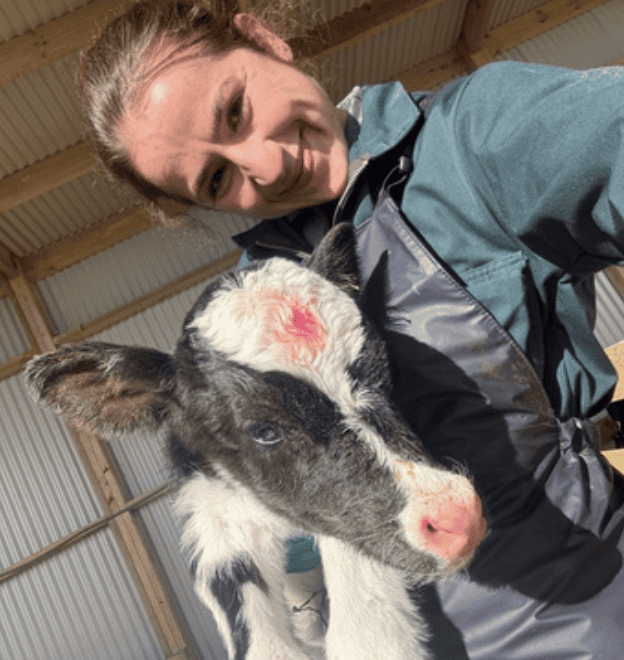
Originally from the UK, Macy graduated from the University of Surrey in 2025 with a Bachelor of Veterinary Medicine and Science before making the move to New Zealand. Prior to becoming a veterinarian, she worked on a dairy farm, giving her a strong appreciation for the realities of farming life and sparking a particular interest in herd health.
Now based in South Canterbury, Macy enjoys working alongside farmers to improve animal health and productivity and is looking forward to building relationships with clients across the region. She values the opportunity to continue learning from both our experienced dairy vets and the farming community, recognising that every farm presents new challenges and opportunities.
This spring, you’ll see Macy working alongside our dairy veterinarians and technicians across a range of seasonal work, including calvings, calf health, disbudding, total protein testing, body condition scoring and pre-mating preparation. It’s one of the busiest times of the year and a great opportunity to broaden her knowledge while supporting our farming clients through a critical stage of the production cycle.
Be sure to introduce yourself if you see Macy on farm this spring. She’s looking forward to getting to know more of our clients and becoming part of the Mid-South Canterbury farming community.
Frequently Asked Questions
When should a newborn calf get its first colostrum?
As soon as possible after birth – within the first 6-12 hours of life, while the calf’s gut can still absorb the antibodies it needs to build immunity. After this window, absorption declines rapidly. The three golden rules are quickly, quality (test first-milking colostrum with a Brix refractometer – a reading above 22 indicates good quality) and quantity (at least 10% of body weight within the first 6-12 hours, around 4 litres for a 40kg calf).
What causes calf scours in spring?
Rotavirus, Cryptosporidium, Salmonella, Coccidia and nutritional or environmental factors can all produce similar symptoms, but each needs a different management approach. Submitting scour samples for testing lets your vet identify the actual cause and recommend the most effective response, rather than treating on assumptions.
What should dairy farmers check before planned start of mating?
Body condition (identify lighter cows early), non-cycling or at-risk cows, calving dates and herd records, BVD vaccination and biosecurity, and whether your trace element programme is supporting fertility – ideally based on testing rather than assumptions. Reviewing these in the weeks before mating helps improve submission rates and conception and reduce empty rates.
Why does R2 heifer liveweight matter so much for mating?
Target liveweight is one of the biggest drivers of reproductive performance. Heifers that don’t reach target weight before mating are more likely to cycle later, conceive at lower rates and calve later – and that delay can continue throughout their productive life. Regular weighing, rather than visual assessment, shows whether heifers are on track in time to adjust feeding or management.
What are the common metabolic problems in fresh cows after calving?
Milk fever, ketosis and retained membranes are the common metabolic challenges in the weeks immediately after calving, when energy demand rises faster than feed intake. Early recognition and prompt intervention reduce production losses. Calcium supplementation, trace element support and metabolic monitoring can form part of a herd health plan tailored to your farm.
Does Aorangi Vets charge to interpret wearable cow collar data?
No. Wearable data interpretation is part of our everyday farm support and is included in our standard service at no extra cost. Your primary vet reviews the data alongside their knowledge of your farm and herd, so trends and alerts are considered in context rather than as numbers on a dashboard.
| Talk to the Aorangi Vets Dairy Team Every farm is different. If you’d like to discuss condition scoring, pre-mating checks, calf health, heifer weighing or your transition management plan, our dairy vets across South Canterbury and the Mackenzie Country are always happy to help. Timaru: 03 687 9378 (24 hours) Geraldine: 03 693 1163 (24 hours) Fairlie: 03 685 8407 (24 hours) Article adapted from the Aorangi Vets Dairy Newsletter, Spring 2026. Read the original newsletter. |