
Early Signs of Calving: What to Watch For in Your Dairy Herd
Posted in: Dairy Animal Services
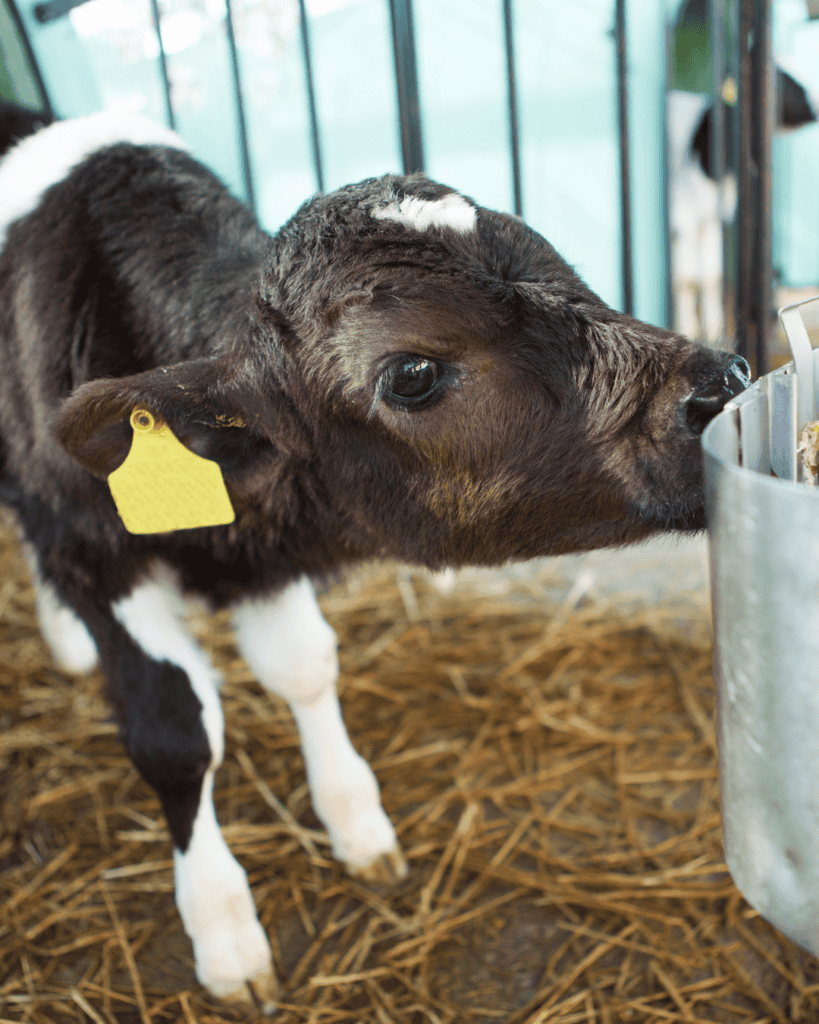
Walking through the mob that’s getting close to calving and wondering what you’re actually looking for? As calving season ramps up across Canterbury – from the flats around Geraldine to the dairy country near Timaru and Fairlie – it pays to know what your cows are telling you before calving gets underway.
A few signs tend to show up first:
- Udder swelling
- Minor milk leakage at the teats
- Mucus discharge
- Reduced appetite or restlessness
Nothing about it is exact, but the pattern gets easier to spot the more calvings you’ve been through.
What’s Actually Happening
In the days before calving, a cow’s body starts preparing for labour. The udder fills and swells as colostrum production ramps up, sometimes with a little leakage at the teats. The pelvic ligaments and vulva begin to relax and soften, and the mucus plug that’s sealed the cervix throughout pregnancy starts to loosen and discharge. Hormonal shifts around this time can also make a cow go off her feed or become restless – she may separate herself from the mob and seek out a quieter spot, which is a completely normal instinct.
How Long Before Calving Once You Spot These Signs?
This varies more than most farmers would like. Some cows show clear signs a day or two out; others give barely any warning at all, particularly first-calving heifers. The more time you spend watching a particular herd, the easier it becomes to pick up the subtler shifts – a change in how a cow’s carrying herself, or how she’s positioning away from the group.
When to Start Watching More Closely
Once you notice these early signs, it’s worth moving the cow to a calving paddock or shed if that’s part of your system, and checking in on her more regularly – morning and evening at minimum, more often as things progress. Keeping a rough note of individual cows showing signs helps you stay ahead of the mob rather than reacting after the fact.
When Early Signs Tip Into Active Labour
Once a cow moves from these early signs into visible straining and active labour, the clock starts ticking on a different timeframe. We’ve put together a separate guide on when active labour should be showing progress, and when it’s time to call for help.
Support From Your Local Farm Vet Team
Calving season is a big stretch for any farm, and we’d always rather you called us with a question than waited it out on a hunch. Our farm vet team covers properties across Geraldine, Timaru, and Fairlie, and we’re happy to talk through what you’re seeing – whether that’s a quick phone check or an on-farm visit.
Frequently Asked Questions
How do I know my cow is close to calving?
Watch for udder swelling, minor milk leakage, mucus discharge, and a change in behaviour such as reduced appetite or restlessness. These signs can appear anywhere from a day or two out to just hours before calving.
Is mucus discharge before calving normal?
Yes. As the mucus plug sealing the cervix loosens ahead of calving, some discharge is expected and is one of the more reliable early signs to watch for.
Should I move my cow to a calving paddock when I see these signs?
It’s a sensible time to do so if that’s part of your calving system, giving you a chance to check on her more regularly as she gets closer to labour.
Are first-calving heifers different?
Often, yes. Heifers can show fewer or less obvious early signs than older cows, so it pays to check young stock a little more frequently as calving season approaches.
When should I call the vet if calving doesn’t progress?
As a general guide, if a cow is in active labour (visible straining and/or you can see part of the calf) and shows no real progress for more than 30 minutes, and you’re not confident assisting her yourself, it’s time to call. Our team is on hand across Timaru, Geraldine, and Fairlie for exactly this kind of call.
The rule of thumb most experienced farmers use: if you’ve been working on a calving for 20–30 minutes without meaningful progress, pick up the phone. A call costs nothing; a delayed call can cost a cow.