
Spring Farm Health Guide: Sheep, Beef, Deer & Dogs
Posted in: Newsletters
Spring Focus: Turning Potential into Performance
Spring is a busy and important time across sheep, beef and deer farms. Having worked hard to maintain and grow animals through winter, the focus now shifts to making the most of what the next season delivers.
This year, many farmers are reporting positive scanning results and good stock condition, creating an opportunity to capture the potential in front of you. The decisions made over the coming months will influence animal health, growth rates and performance well beyond spring.
In this issue, our Drystock Team share practical advice across sheep, beef, deer and working dogs – helping you make the most of the season ahead.
-The Aorangi Vets Team

From Scanning to Weaning: Protecting Lamb Survival
Strong scanning results are a great start, but the real measure of success is how many lambs make it through to weaning. The period from late pregnancy through to weaning is where small management decisions can make a significant difference to lamb survival and lifetime performance.
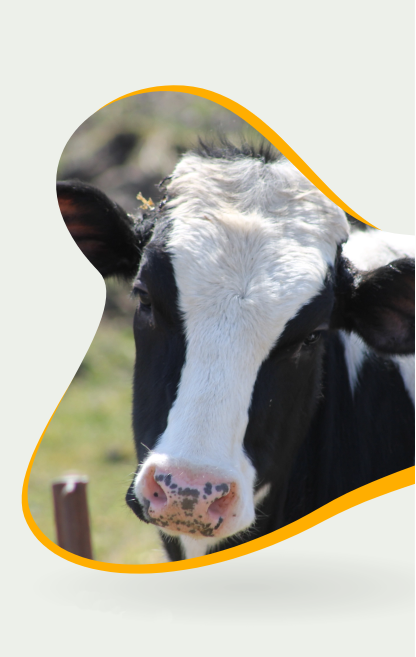
A lamb’s chances of survival begin well before it is born. Ewe nutrition and condition during late pregnancy have a direct influence on birth weight, colostrum quality and a lamb’s ability to cope with the challenges of its first few days of life.
As pregnancy progresses, particularly in twin and triplet-bearing ewes, meeting nutritional demands becomes increasingly difficult. Growing lambs reduce the space available in the rumen,
limiting how much a ewe can eat just as her energy and protein requirements are significantly increasing. Maintaining ewe condition and selecting high-quality, energy-dense feeds become increasingly important during this period. Avoiding sudden changes in diet is also recommended, as abrupt feed transitions in late pregnancy may increase the risk of health problems.
Once lambing begins, those first few hours are critical. Lambs need to be born at an appropriate birth weight, stand quickly and receive an adequate feed of colostrum. Lambs that are too small can struggle to maintain body temperature, while oversized lambs are more likely to experience difficult births. Lambs are also born with a limited supply of brown fat – an important energy reserve that acts like an internal heater during the first hours of life. The ewe’s nutrition throughout pregnancy plays a key role in determining how well equipped her lambs are to survive these early challenges.
If lamb losses are higher than expected, investigating the cause can provide valuable insights. Lamb post-mortems during the lambing period can help determine whether losses are due to birth weight, starvation, mismothering, infection other causes. Understanding where losses are made, rather than relying on guesswork.
As lambs progress towards tailing, another opportunity arises to support their health and future performance. Tailing is a significant event, with handling, separation from the ewe and husbandry procedures all placing additional stress on lambs. It is an ideal time to review trace element support, begin or continue clostridial protection, and consider pain relief to improve animal welfare.
Every farm is different, and the right programme will depend on your system, lambing dates and production goals. If you’d like to discuss lamb survival, investigate losses or review your spring animal health plan, talk to the Aorangi Vets Team.
Tailing: A Key
Opportunity to Set Lambs Up for Success
Tailing is one of the busiest jobs on the spring calendar, but it’s also one of the best opportunities to support lamb health and performance as they head towards weaning.
By the time lambs reach tailing, the protection they received from colostrum is beginning to decline and their own immune system needs to take over. At the same time, they’re facing a number of challenges, including handling, separation from their mothers and procedures such as tailing and castration. Taking the opportunity to review their health programme at this stage can help set them up for the months ahead.
Lambs are born with reserves of important trace elements such as B12 and selenium, but these stores are gradually used as they grow. Tailing is an ideal time to replenish these reserves, supporting energy production, immune function and resilience during a stressful period. Products such as Ultravac® B12 Selenium combine trace element supplementation with clostridial vaccination, while SmartShot® provides long-acting B12 and selenium support for lambs that will remain on farm through to slaughter or be retained as replacements. Your veterinarian can help determine the most appropriate option for your farming system and production goals.
Pain relief should also be considered as part of a best-practice tailing programme. Tailing and castration are painful procedures, and providing pain relief is an important way to improve lamb welfare. While research is still investigating the production benefits, reducing pain may also help lambs recover more quickly and return to normal behaviour sooner.
Tailing is also a good time to review other preventative health measures. Beginning a clostridial vaccination programme helps lambs develop their own immunity as the protection they received from colostrum declines. Planning for flystrike prevention is equally important, with different products providing varying lengths of protection depending on your system and when lambs are likely to be sold or retained. If scabby mouth is a concern on your farm, remember that vaccination requires veterinary authorisation and careful handling, as it is a live vaccine.
Preparing for Mating Success in your Beef Herd
Mating is now only a few months away and the work you do know can have a significant impact on next season’s calving performance. Whether you’re preparing replacement heifers, managing cows with calves at foot or checking your bull team, taking time to review your breeding programme now can help avoid costly surprises later.
Replacement heifers are the future of your breeding herd, so it’s important they are on track to reach their target weight and body condition before joining. This is also a good time to consider Bovine Viral Diarrhoea (BVD) risk. Testing replacement heifers can identify persistently infected animals before they enter the breeding herd and your veterinarian can advise whether a BVD vaccination programme is appropriate for your system.
Trace elements are another important consideration leading into mating, as deficiencies can affect fertility and reproductive performance. Where needed, products such as MULTIMIN® Evolution can be used to help support trace element status ahead of joining, based on your herd’s requirements.
Don’t overlook your bulls. A bull that isn’t breeding efficiently can have a major impact on pregnancy rates, yet many problems aren’t obvious until mating is well underway. A breeding soundness examination, or mating ability test, before the season begins can identify issues such as lameness, reproductive abnormalities or poor libido, allowing time to make alternative plans if required. Annual BVD vaccination is also recommended to help protect bulls and reduce the risk of spreading infection through the herd.
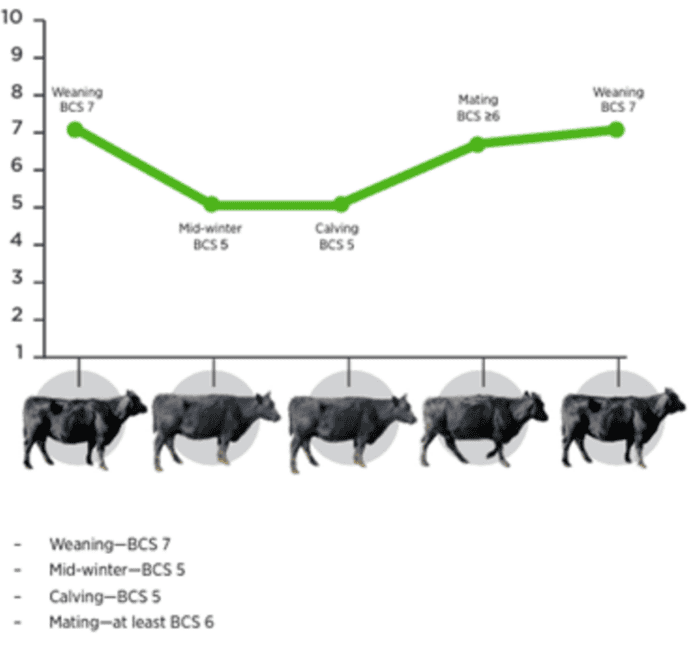
For cows with calves at foot, body condition remains one of the biggest drivers of reproductive success. We aim for cows to calve in a body condition score (BCS) of 5 out of 10. Then, to get in calf again they need to be on a rising plane of nutrition and be at a BCS of 6 out of 10 at and during mating. Cows that calve in too light condition may struggle to regain condition in time for joining. They will need preferential treatment and feeding and may be among the ‘late in-calf cows. Age scanning pregnancies can identify these late girls and then targeted decisions can be made. Suckling calves should be growing at around 1kg per day while they are on mum and this relies on the cows’ condition and nutrition.
Taking the time to assess body condition, review trace element requirements, discuss BVD management and evaluate your bull team before mating gives your herd the best opportunity for a successful breeding season.
Giving Hand-Reared Calves the Best Start this Spring
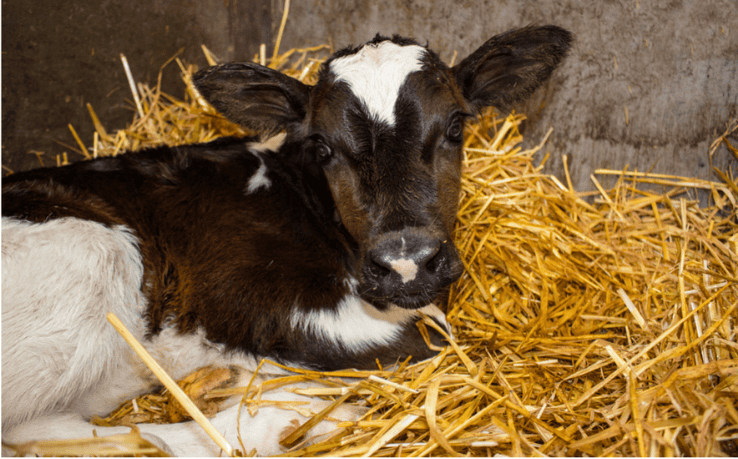
Spring is a busy time for beef farmers as calves arrive and the next generation gets underway. The first few weeks are critical, and getting the basics right around nutrition, hygiene and disease prevention can have a lasting impact on growth, health and future performance.
Successful calf rearing starts with strong foundations. Consistent nutrition, clean and well-sheltered facilities, and close monitoring all play an important role in helping calves thrive. Good hygiene is particularly important where calves are housed in groups, as infectious diseases can spread quickly. Taking the time to observe calves every day also means health issues are more likely to be identified and treated before they become serious.
Calf scours remain one of the most common health challenges during rearing. If an outbreak occurs, it’s important to identify the underlying cause rather than simply treating the symptoms. A veterinary investigation can help determine what’s driving the problem, allowing you to manage the current outbreak while also putting strategies in place to reduce the risk in future seasons. It’s also worth remembering that many of the organisms that cause calf scours can infect people, so good hygiene and careful handling of affected calves are essential. As calves move towards weaning, another important transition begins. Coming off milk and onto pasture places extra demands on the calf. This is also the stage when coccidiosis can become a challenge, particularly in systems where calves are reared on the same paddocks year after year. Developing a coccidiosis management plan before weaning can help calves make the transition to grass without compromising growth. Products such as Turbo Initial can be a valuable part of that programme, helping support calves while they develop immunity.
Weaning is also a good opportunity to review your wider animal health programme. Clostridial vaccinations, trace element supplementation and pink eye prevention should all be considered based on your farm system and disease risks. Some drenches are not recommended for lighter calves, so it’s worth discussing an appropriate parasite management plan with your veterinarian before treatment. Healthy calves are the foundation of a productive beef system. Investing in good management from arrival through to weaning helps protect growth rates now while setting animals up for better performance later.
Preparing for Velvet Season and Fawning
Spring is a busy time of the year for deer farmers, with velvet harvesting underway, yearlings reaching prime weights and hinds are not far off fawning. A little planning now can make the season run more smoothly, particularly if you’re carrying out your own velveting.
To avoid delays when you come in to pick up velvet drugs, we recommend you call us with your order or use the order form on our website. That way we can have your drugs, tags and other supplies processed and ready for collection. Ordering in advance helps reduce waiting times, ensures product availability during the busy season and keeps your velveting programme on schedule.
It’s also a good time to make sure your facilities are ready and your annual supervisory visit is booked. The supervisory visit is an opportunity to review the requirements of the National Velvetting Standards Body (NVSB) programme, discuss any updates and ensure your procedures continue to meet the high animal welfare and quality assurance standards expected of the New Zealand velvet industry.
Good nutrition remains essential throughout the season. Velvet growth places high nutritional demands on stags, and appropriate trace element supplementation can be beneficial. At the same time, pregnant hinds are entering the final stages before fawning, with most fawns arriving from late October through November. Maintaining adequate copper status during pregnancy is particularly important, as deficiencies can increase the risk of swayback and other developmental problems in fawns.
Spring is also a good opportunity to review your parasite management programme. Some classes of deer may require drenching as they move through spring and into summer, but it’s important to be aware of meat withholding periods, particularly where products are used off label.
Spring Checklist for Working Dogs
Our farm dogs love the work that comes with tailing and weaning and we want to help them thrive through this time. Like any high performance athlete, they need the right preparation and ongoing care to stay healthy, fit and ready for the season ahead.
A healthy working dog should:
- Have a visible waistline
- Have ribs that can be easily felt, but not clearly visible
- Have good muscle coverage over the hips and spine
- Maintain a shiny, healthy coat
High-quality nutrition helps working dogs maintain condition and meet the extra demands of a busy season. We recommend working dogs are fed a premium brand biscuit that assures a complete and balanced formulation such as Royal Canin 4800, Eukanuba Premium Performance or BlackHawk Working Dog.
Working dogs are often exposed to higher risks than companion dogs, so regular preventative care is important.
Check that:
- Vaccinations are current, including parvovirus protection and Kennel Cough, especially where dogs mix with other working teams.
- Worming control programmes are up to date.
- Flea prevention is in place where required.
Fleas can be more than just an irritation – they can affect a dog’s health and wellbeing. Remember to consider the kennel environment as well as treating the dogs themselves. Clean, dry kennels that are easy to hose out and maintain will help reduce parasite burdens and keep dogs comfortable.
If you’re planning to breed from a valuable female working dog, it’s worth talking to your vet before mating. A pre-breeding health check can help determine whether she’s fit for pregnancy, review her vaccination status and discuss any considerations around her age or breeding history. We will provide important advice around specific nutrition for her and her pups.
A few simple checks before the busy spring workload begins can help keep your team healthy, performing at their best and ready for the season ahead. Talk to your Aorangi Vets team about nutrition, preventative healthcare and keeping your working dogs in top condition.
Meet Aaron McCullough, Director and Veterinarian
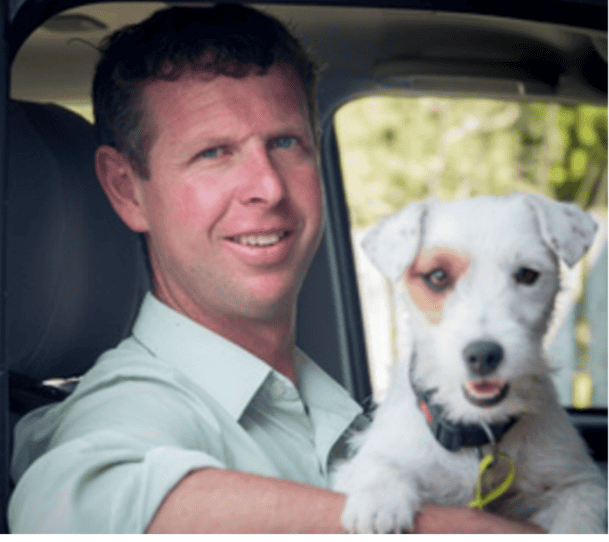
Growing up on a sheep and beef farm in Rangitata, Aaron developed an appreciation for farming life from an early age. After graduating from Massey University in 2001, he has spent more than two decades working in mixed animal practice across New Zealand and the UK, building extensive experience across sheep, beef, dairy and companion animals.
Aaron joined Aorangi Vets in 2007 and became a director in 2011, bringing a practical, solutions-focused approach to every farm visit. He enjoys working alongside farmers to improve animal health, productivity and the overall efficiency of their farming systems. “Every farm is different, and the best results come from understanding each client’s goals and tailoring practical solutions that work for their business,” says Aaron.
Alongside his production animal work, Aaron has a particular interest in orthopaedic surgery, helping keep companion animals and hardworking farm dogs active and performing at their best.
Outside of work, Aaron enjoys spending time with his wife and three energetic daughters. Whether it’s hunting, fishing or getting out on the bikes together, making the most of the outdoors is never far from the family’s agenda.With strong local roots, broad veterinary experience and a practical understanding of the challenges farmers face, Aaron is committed to helping clients achieve healthier animals and more productive farming businesses.
Frequently Asked Questions
What can I do to improve lamb survival this spring?
Ewe nutrition and condition in late pregnancy have the biggest influence on lamb survival, affecting birth weight, colostrum quality and a lamb’s ability to cope with its first hours of life. If losses are higher than expected, a lamb post-mortem can help identify the cause so you can act rather than guess.
When should I start preparing my beef herd for mating?
Preparation is worth starting a few months out. This includes reviewing replacement heifer condition and weight, testing for BVD, assessing cow body condition, checking trace element status, and arranging a breeding soundness examination for your bulls before the mating season begins.
What should I feed a hand-reared calf?
Consistent, high-quality nutrition alongside clean, well-sheltered housing is the foundation of successful calf rearing. Speak with your veterinarian about a coccidiosis management plan and an appropriate parasite programme, as some drenches aren’t suitable for lighter calves.
How do I prepare for velvet season and fawning?
Order your velvet drugs, tags and supplies ahead of time to avoid delays, confirm your facilities and NVSB supervisory visit are organised, and maintain good nutrition and copper status for pregnant hinds ahead of fawning.
What health checks does my working dog need before the busy season?
Check that vaccinations (including parvovirus and Kennel Cough), worming and flea prevention are all up to date, and assess body condition – a visible waistline, easily felt ribs and good muscle coverage are signs of a fit working dog.