
Pre-Tup Vaccination: Protecting Your Scanning Percentage
Posted in: Sheep Services
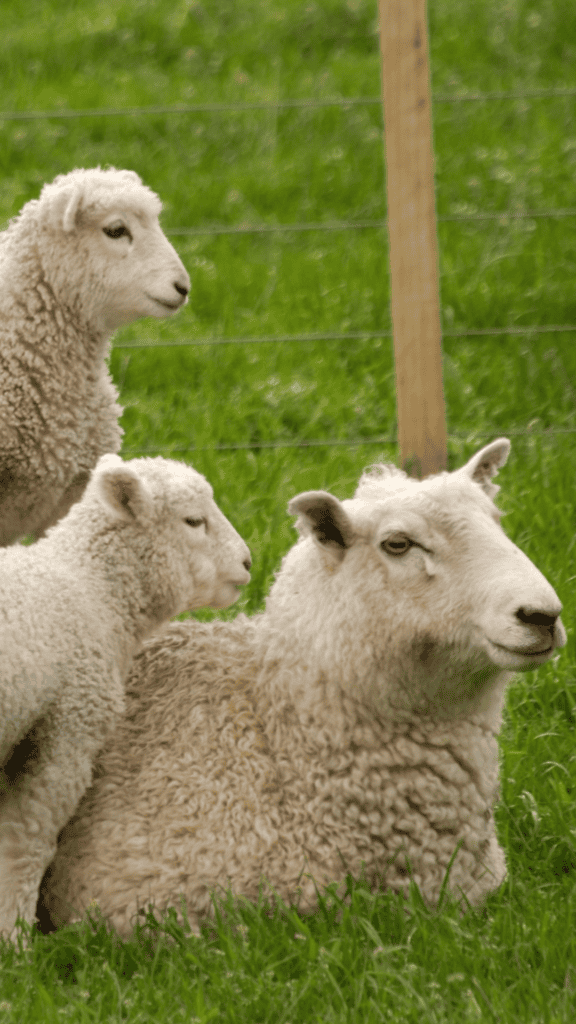
The ewes that don’t scan in lamb, and the lambs that never make it to the ground, are the quietest losses on a sheep farm. Abortion caused by toxoplasmosis and campylobacter often shows up as a disappointing scanning result or a scatter of dry ewes rather than anything dramatic in the paddock, which is why it’s frequently missed.
Both are preventable by vaccination, and both have to be dealt with before tupping rather than after. By the time a poor scanning result comes back, the opportunity has passed for that season.
At Aorangi Vets we work with sheep farmers across Canterbury, from the Geraldine flats and Timaru coast to the foothills and high country and through to the Mackenzie Basin, on pre-tup animal health planning.
Toxoplasmosis in Sheep
Toxoplasmosis is caused by the parasite Toxoplasma gondii, which is spread by cats and picked up by sheep grazing contaminated pasture or eating contaminated feed. A ewe infected for the first time during pregnancy can abort, produce stillborn or weak lambs, or reabsorb early and simply scan dry.
Ewes that have been exposed before mating generally develop lasting immunity. The problem is the ones that meet it for the first time while pregnant, which is typically younger stock and any ewes coming onto a property with a different exposure history.
Toxovax is the vaccine used against toxoplasmosis in New Zealand ewes. It requires one dose for life, given at least 4 weeks prior to tupping. It’s a live vaccine with a limited shelf life, so it needs to be ordered in advance rather than picked up off the shelf. If toxoplasmosis vaccination is part of your plan, talk to us early.
Campylobacter Abortion in Ewes
Campylobacter causes abortion in the later stages of pregnancy and can move through a mob once it’s established, so losses can build within a season rather than staying static. As with toxoplasmosis, exposed ewes develop immunity, which means the naive animals in the flock carry the risk.
Campyvax4 is the vaccine used against campylobacter abortion in New Zealand. Like Toxovax it’s a pre-tup job, and like Toxovax it’s worth planning rather than leaving to the last week before the rams go out.
Campyvax4 vaccination requires a sensitiser and a booster given 4-6 weeks apart with the booster given 3-4 weeks before tupping. An annual pre-tup booster is recommended as immunity fades over time.
Why Both Vaccines Are a Pre-Tup Decision
Vaccination works by having immunity in place before the ewe is exposed while pregnant. That means the planning window sits well ahead of the rams going out, not alongside it. Farms that leave the decision until tupping is underway generally find they’ve run out of time, particularly where a vaccine needs ordering or a course of doses is involved.
The practical answer is to have a planning session with your vet well in advance rather than leaving it to the month before you plan to put the ram out.
What Else Sits in a Pre-Tup Plan
Vaccination is one part of getting ewes right for mating. Alongside it we look at:
- Ewe selection – culling policy and body condition ahead of tupping, and whether any mobs need checking or preferential feeding
- Trace element status, particularly selenium, iodine and cobalt, which varies considerably across Canterbury country
- Ram soundness, since a poor ram affects far more ewes than a poor ewe
- Use of teasers, to improve cycling synchrony
- Hogget mating: is this a year to mate hoggets? What are your mating liveweight targets?
- Parasite management in younger stock, and whether worm burden is holding condition back
- Other disease prevention including footrot management and clostridial protection
- Scanning planning, so the results actually feed back into next season’s decisions
Pulling these together into an annual animal health plan means the work happens in the right order rather than reactively.
Do You Actually Have a Problem?
If your scanning percentage is below where you’d expect, if you’re carrying more dry ewes than you should be, or if you’ve had abortions you couldn’t explain, it’s worth investigating rather than assuming. Investigating low scanning results starts with discussing flock management with your vet.
Talk to Our Sheep Vets
If you want to plan pre-tup vaccination, get vaccine ordered in time, or investigate a scanning result that didn’t add up, give your nearest clinic a call.
Timaru 03 687 9378 · Geraldine 03 693 1163 · Fairlie 03 685 8407
Frequently Asked Questions
What does Campyvax4 protect against?
Campyvax4 is a vaccine used in New Zealand ewes against campylobacter, a cause of abortion in later pregnancy that can spread through a mob once established. It’s given before mating so immunity is in place ahead of pregnancy.
What’s the difference between Toxovax and Campyvax4?
They protect against two different causes of abortion. Toxovax covers toxoplasmosis, a parasite spread by cats. Campyvax4 covers campylobacter, a bacterial cause of late-pregnancy abortion. Many Canterbury flocks use both, and which ones suit your farm depends on your history and flock structure.
When should Toxovax be given?
Toxovax requires one dose for life, given at least 4 weeks before tupping. It’s a live vaccine with a limited shelf life, so it needs to be ordered in advance.
Why do I need to order Toxovax in advance?
Toxovax is a live vaccine with a limited shelf life, so it isn’t held in stock the way other animal health products are. It’s ordered in for a specific date, which means the decision needs making well ahead of tupping rather than in the week before.
How is Campyvax4 given?
Campyvax4 vaccination requires a sensitiser and a booster given 4-6 weeks apart, with the booster given 3-4 weeks before tupping. An annual pre-tup booster is then recommended, as immunity fades over time.
Can toxoplasmosis be the reason my scanning percentage is low?
It can be. Toxoplasmosis often shows up as dry ewes and a disappointing scanning result rather than visible abortions, particularly where ewes are infected early in pregnancy. Investigating low scanning results starts with discussing flock management with your vet.
Do I need to vaccinate the whole flock every year?
Not for both vaccines. Toxovax is one dose for life, given at least 4 weeks before tupping. Campyvax4 needs an annual pre-tup booster, as immunity fades over time. Which ewes need what depends on your flock’s exposure history and how you’re managing replacements, so our sheep vets can look at your setup and recommend an approach for your farm.