
Clostridial Vaccination for Lambs and Ewes
Posted in: Sheep Services
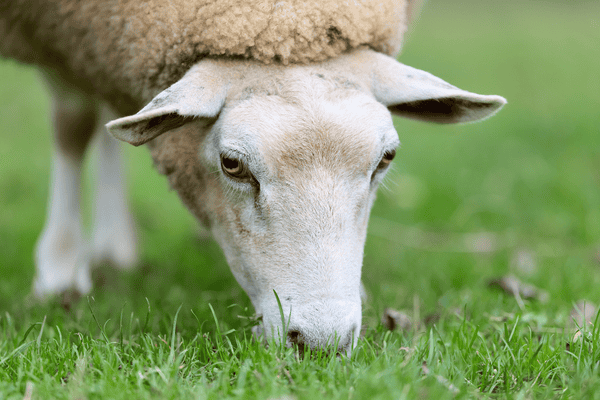
Clostridial diseases kill quickly and usually without warning. Pulpy kidney, tetanus, blackleg and the rest tend to take the best lambs in the mob, and the first sign is often a dead lamb rather than a sick one. There’s no realistic treatment once an animal is affected, which is why the entire approach is preventive.
Clostridial vaccination is one of the cheapest and most reliable pieces of animal health on a New Zealand sheep farm, and tailing is when most Canterbury farmers do it.
What Clostridial Vaccines Protect Against
The clostridial bacteria live in soil and in the gut of healthy animals. Problems arise when conditions let them multiply, often triggered by a feed change, a wound, or a period of rapid growth on lush pasture.
5-in-1 is the standard clostridial vaccine used across New Zealand sheep flocks. It covers pulpy kidney (enterotoxaemia), tetanus, blackleg, malignant oedema and black disease.
Lamb Vaccine contains tetanus antitoxin for immediate, short-term protection against tetanus. It also contains pulpy kidney protection.
Which vaccine to use depends on flock vaccination status.
Why Tailing Is the Usual Timing
Lambs are born without their own clostridial immunity. They get temporary protection from the ewe through colostrum (to a greater degree if the ewe had a pre-lamb clostridial vaccination) and that protection fades as the lamb grows. Tailing generally lands at a useful point in that decline, and it’s a time lambs are already yarded and handled, so the vaccination happens without an extra muster.
It’s also a stage where lambs face several challenges at once: separation from the ewe, husbandry procedures, and a changing diet. Getting clostridial cover started here means immunity is building as the risk period arrives.
If ewes did not receive a pre-lamb vaccination, lambs are best to receive Lamb Vaccine at tailing. If ewes did receive a pre-lamb vaccination, lambs at tailing are best to receive their first 5-in-1 vaccination.
Pre-Lamb Vaccination of Ewes
Vaccinating ewes before lambing lifts the antibody levels in their colostrum, which raises the protection lambs get in their first weeks of life. For flocks where early lamb losses to clostridial disease have been an issue, the pre-lamb ewe vaccination is often where the fix sits rather than in the lamb programme.
This only works if lambs actually get a decent feed of colostrum, which brings it back to ewe condition and nutrition in late pregnancy.
Getting Vaccination Right
Vaccine failure is usually a handling problem rather than a product problem. The things that matter:
- Store it properly. Clostridial vaccines need to be kept cool and used within their shelf life. A pack that’s been sitting in a hot ute is not the product you bought.
- Use clean equipment and change needles regularly. Injection site abscesses are common and avoidable.
- Inject in the right place, subcutaneously and high on the neck, to avoid carcass damage and ensure the vaccine works as intended.
- Complete the course. A single sensitising dose without its booster does not give lasting protection, and this is where most programmes fall down.
- Keep records of what was given to which mob and when, so next season’s decisions are based on fact.
Where It Fits in Your Spring Programme
Clostridial vaccination sits alongside the other jobs at tailing: trace element support, pain relief for tailing and castration, and flystrike planning. Doing them as one considered programme rather than a series of separate decisions generally means fewer musters and better outcomes.
If lamb losses have been higher than you’d expect, or you’ve had deaths you couldn’t explain, it’s worth discussing whether your clostridial programme is doing what you think it is.
Talk to Our Sheep Vets
Our drystock team works with sheep farmers from Timaru, Geraldine and Rangitata through to Fairlie and the Mackenzie Country. If you want to review your clostridial programme or get vaccine ordered ahead of tailing, give your nearest clinic a call.
Timaru 03 687 9378 · Geraldine 03 693 1163 · Fairlie 03 685 8407
Frequently Asked Questions
What’s the difference between 5-in-1 and Lamb Vaccine?
5-in-1 covers the five main clostridial diseases: pulpy kidney, tetanus, blackleg, malignant oedema and black disease. Lamb Vaccine contains tetanus antitoxin for immediate, short-term protection against tetanus, plus pulpy kidney protection. Which one lambs get at tailing depends on whether the ewes had a pre-lamb vaccination.
Does Lamb Vaccine protect lambs straight away?
Against tetanus, yes. Lamb Vaccine contains tetanus antitoxin, which gives immediate, short-term protection against tetanus. It also contains pulpy kidney protection.
Do I need to vaccinate lambs if I vaccinated the ewes?
Yes. Ewe vaccination raises the antibody level in colostrum, which protects lambs in their first weeks, but that protection fades. Lambs need their own clostridial programme to carry them through to and beyond weaning. Where ewes had a pre-lamb vaccination, lambs are best to receive their first 5-in-1 vaccination at tailing.
Why do lambs need two doses of clostridial vaccine?
The first dose primes the immune system and the second builds the lasting protection. A single dose on its own does not give durable immunity, so an incomplete course is one of the most common reasons a programme fails despite the vaccine having been given.
What is pulpy kidney and why does it kill the best lambs?
Pulpy kidney is a clostridial disease triggered when bacteria in the gut multiply rapidly, often after a feed change or on lush pasture. Because the fastest-growing lambs on the best feed are most exposed to those conditions, it tends to take the animals you’d least want to lose, usually with no warning.
When should clostridial vaccination be done in Canterbury?
Most Canterbury flocks start lambs at tailing, when they’re already yarded and their colostrum-derived protection is declining. If ewes did not receive a pre-lamb vaccination, lambs are best to receive Lamb Vaccine at tailing. If they did, lambs are best to receive their first 5-in-1 vaccination at tailing. Your exact dates depend on your lambing spread and system, so it’s worth planning with your vet.