
Expert Advice
Dairy Animal Services
Managing Risk as we Head into Autumn As we move through another busy summer on farm, it’s a good time to reflect on the season so far and look ahead to the key focus areas for the remainder of lactation. Summer Round-Up Across much of…

Leptospirosis can affect people, livestock, and pets on your farm, with serious health consequences. Protecting your team and animals now helps keep your farm safe and productive. The article below from Zoetis New Zealand outlines practical tips for controlling Lepto, including vaccination, pest management, and…

Keeping Your Herd on Track This Summer Spring is always a busy and critical time on farm, and as we move into the summer season, it’s a great moment to reflect on herd performance and plan for the months ahead. Across our client herds, benchmarking…
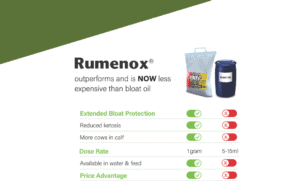
For many years, bloat oils have been the go-to tool for prevention, but they come with limitations. Now, products like Rumenox are changing the way farmers tackle bloat – offering longer-lasting protection, better herd performance, and improved cost-effectiveness. The article below, provided by the team…

Weaning can be a stressful time for calves, leaving them vulnerable to parasites. Protecting them now supports growth and herd health. The article below from Alleva Animal Health shares practical tips for managing parasites in weaned calves. Impressive formula for weaning calves this seasonThe mad…

Every livestock farming system requires a unique worm management plan which follows principles and strategies to make it a sustainable one. Aorangi Vets care about the long-term and understand the importance of knowing a system well to enable the right advice. Four seasonal worm management…

Having trace element levels adequate prior to mating is essential for having cows performing well. Most if not all of our farms will be very familiar with selenium and copper; and will have supplementation and monitoring programs in place to ensure the levels of these…

Heifers are the future of your herd and you have invested considerable money and time before they enter the milking herd. The quickest way to devalue this investment is calving mastitis, which often leaves heifers with light quarters, and complicates their first few days in…

Reproductive efficiency, cow health and milk production are integral parts of a successful dairy farm. The cow has a requirement for essential nutrients to perform at her best. A trace mineral is one that is present in low concentrations in the body tissues and fluids…

Did you know that a 550kg dairy cow normally has a blood calcium level of around 3 grams? Once she calves, in lactation she requires approximately 23 grams per day! Recent studies in NZ have shown the average herd-level prevalence of subclinical milk fever is…