
Posts by Hilary McCullough
Heifer teat sealing

Heifers are the future of your herd and you have invested considerable money and time before they enter the milking herd. The quickest way to devalue this investment is calving mastitis, which often leaves heifers with light quarters, and complicates their first few days in the shed. Heifers that develop mastitis are also more likely…
Read MoreAutumn trace element testing

Reproductive efficiency, cow health and milk production are integral parts of a successful dairy farm. The cow has a requirement for essential nutrients to perform at her best. A trace mineral is one that is present in low concentrations in the body tissues and fluids of cattle, where removal from the diet will consistently interfere…
Read MoreChocolate Toxicity in Dogs: Symptoms and What To Do

Chocolate contains theobromine, which dogs can’t process efficiently. Darker chocolate and smaller dogs mean higher risk. Symptoms include vomiting, diarrhoea, restlessness, a fast heart rate, and in severe cases, seizures. If your dog has eaten chocolate, call your vet straight away rather than waiting for symptoms. Chocolate Toxicity The toxic ingredient in chocolate is called…
Read MoreSubclinical hypocalcaemia in Dairy cows

Did you know that a 550kg dairy cow normally has a blood calcium level of around 3 grams? Once she calves, in lactation she requires approximately 23 grams per day! Recent studies in NZ have shown the average herd-level prevalence of subclinical milk fever is 52% This rate of use requires a complete blood turnover…
Read MoreImmunity and trace elements in newborn calves
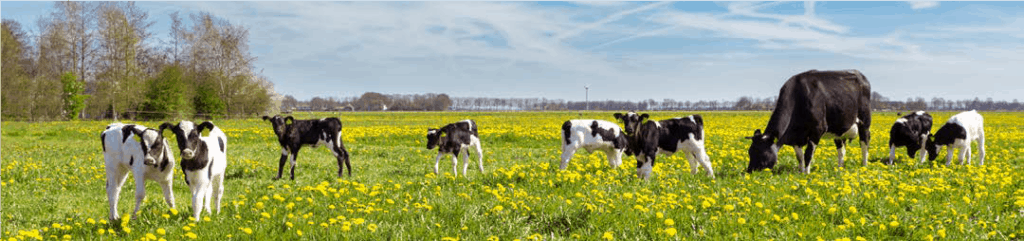
Calves get their antibodies (that set up their immune system) from the cow via colostrum. This is termed “Passive transfer”. You may hear the term FPT or failure of passive transfer used. This happens when the calves don’t get enough colostrum, quickly enough after birth. At 24 hours post birth the calf can no longer…
Read MoreFeeding newborn calves

It’s that time of year again! Calves will soon be dropping and heading into their warm, dry sheds eagerly awaiting their first feed. When it comes to calves, we recommend quality colostrum is given quickly and in a high enough quantity that they reap the full benefits of those maternal antibodies. 1. Quickly – It…
Read MorePrevention of spring mastitis
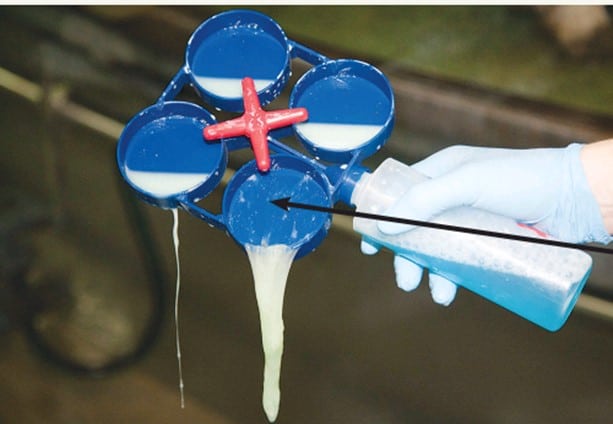
Cows with a healthy udder Produce more milk Are easier to milk Have less mastitis Suffer less pain A more likely to get in calf Have a longer productive lifetime Provide more profit Mastitis is caused by bacterial infection of the udder, the only way the bugs can get in is through the teat canal.…
Read MoreSheep measles

Sheep measles is a parasitic disease caused by a tape worm in dogs. The worm is contracted by the dog from eating raw sheep meat. It causes no symptoms in the dog, but is spread to sheep via dog faeces.When a sheep is infected with sheep measles, it causes small white nodules in the muscle…
Read MoreItchy dog time

If you are like me, the arrival of spring may have your eyes running and your nose blocked. It is allergy time. Likewise, we are seeing the usual seasonal increase in itchy dogs. For years we have used cortisone to suppress these symptoms but there are a number of well known side effects of long…
Read MoreNew kidney test

Let’s get the Facts Early The Kidneys are responsible for filtering the blood and removing waste, as well as fluid and electrolyte balance in the body. As animals age, kidney function often declines. Chronic Kidney Disease can occur because of a variety of reasons including infection, toxicity, and hereditary conditions. Up until recently the tests…
Read More