
Posts by Rebecca Anstee
Early Signs of Calving: What to Watch For in Your Dairy Herd
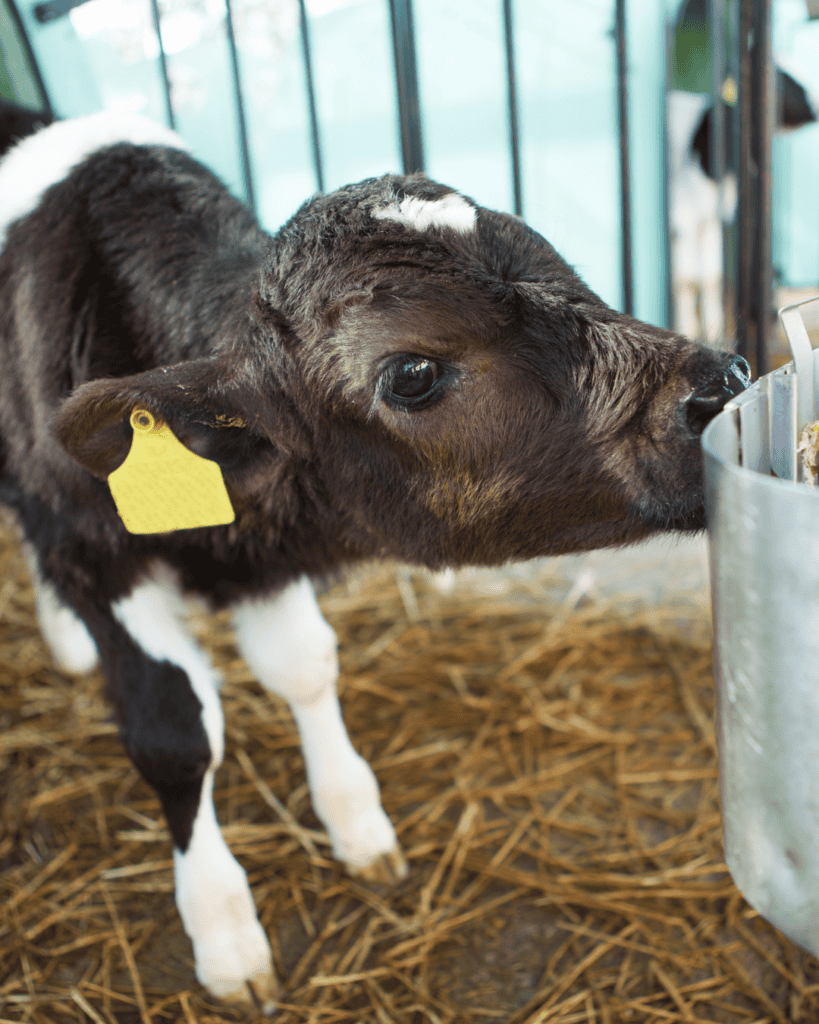
Walking through the mob that’s getting close to calving and wondering what you’re actually looking for? As calving season ramps up across Canterbury – from the flats around Geraldine to the dairy country near Timaru and Fairlie – it pays to know what your cows are telling you before calving gets underway. A few signs tend to show up first: Nothing about…
Read MoreBird Flu (H5N1) Detected in New Zealand: What It Means for Your Pets and Farm Animals

Written by Nicole Williams, Mixed Animal Veterinarian at our Geraldine clinic. This article was first published in The Geraldine News on 30 July 2026. To see the original article, click here. A case of the highly infectious H5N1 strain of avian influenza, commonly known as bird flu, has recently been confirmed in New Zealand. It’s understandable…
Read MoreGrowing Older Together: Looking After Our Senior Pets
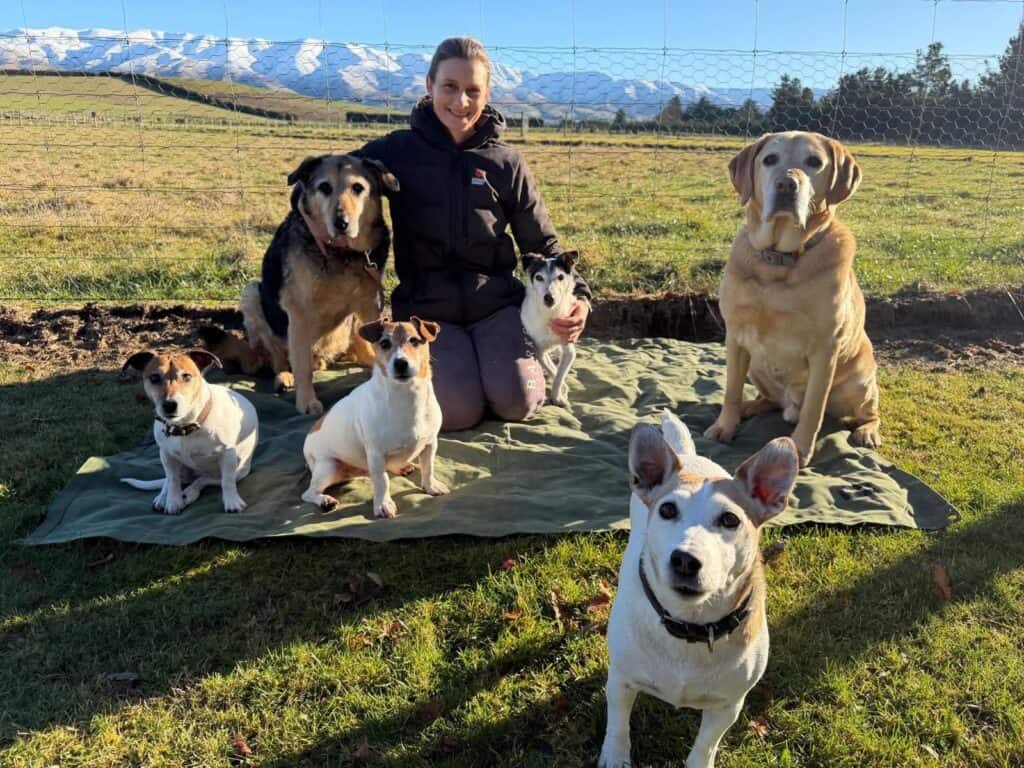
By Heather Hellmrich, Vet Nurse and Clinic Manager, Aorangi Vets This article was first published in Fairlie Accessible, Issue 26-14. As a vet nurse, I spend a lot of time helping owners care for their ageing pets. But when I get home, I’m in the same position as many people who I meet in the…
Read MoreImproving Dairy Herd Reproductive Performance in Canterbury
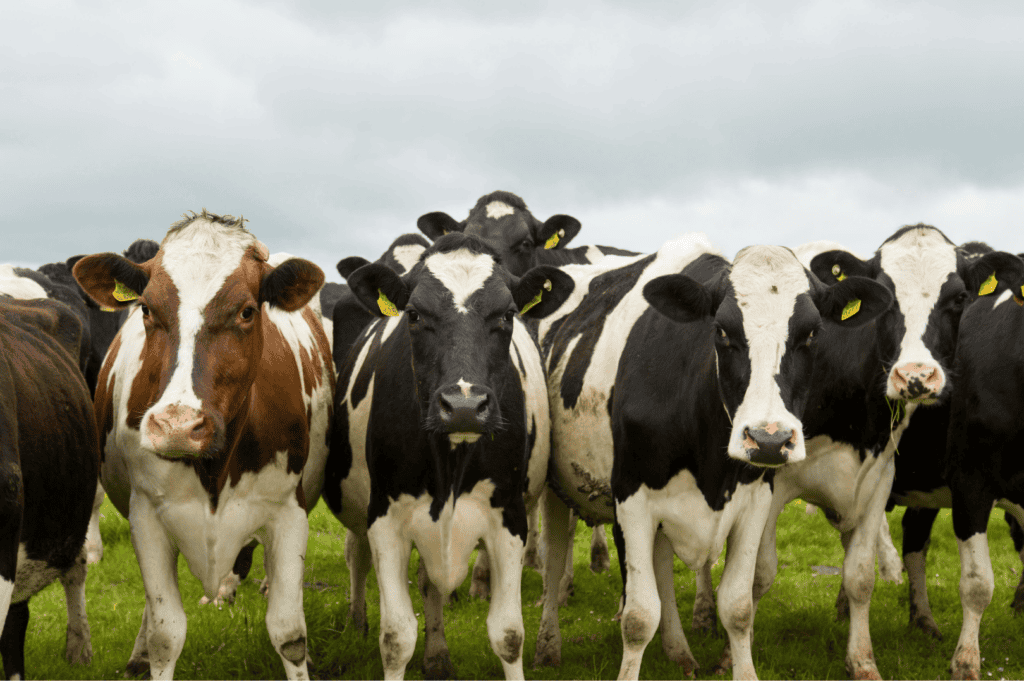
Reproductive performance is the engine of a profitable dairy farm. Every cow that fails to get in calf on time represents lost production, added costs, and a harder end-of-season cull decision. And yet, in many Canterbury herds, there is significant room to improve – not through expensive interventions, but through a systematic, planned approach. At Aorangi Vets, reproductive services…
Read MoreDrying Off Your Dairy Cows: A Guide to Dry Cow Therapy and Teat Sealing
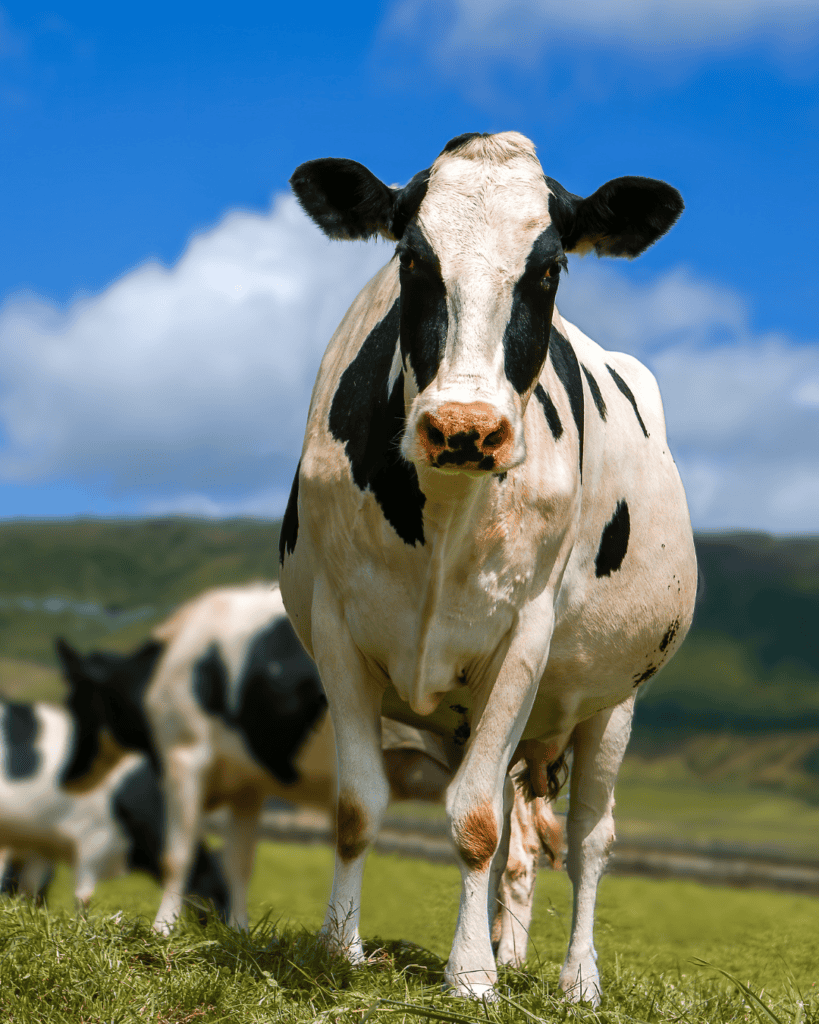
Drying off is one of the most important management events in the dairy calendar. Done well, it protects udder health, sets cows up for a successful calving, and pays dividends in milk quality and production right through the following season. Done poorly, it is one of the most common causes of mastitis and elevated somatic cell counts…
Read MoreCalf Feeding: From Colostrum to Weaning
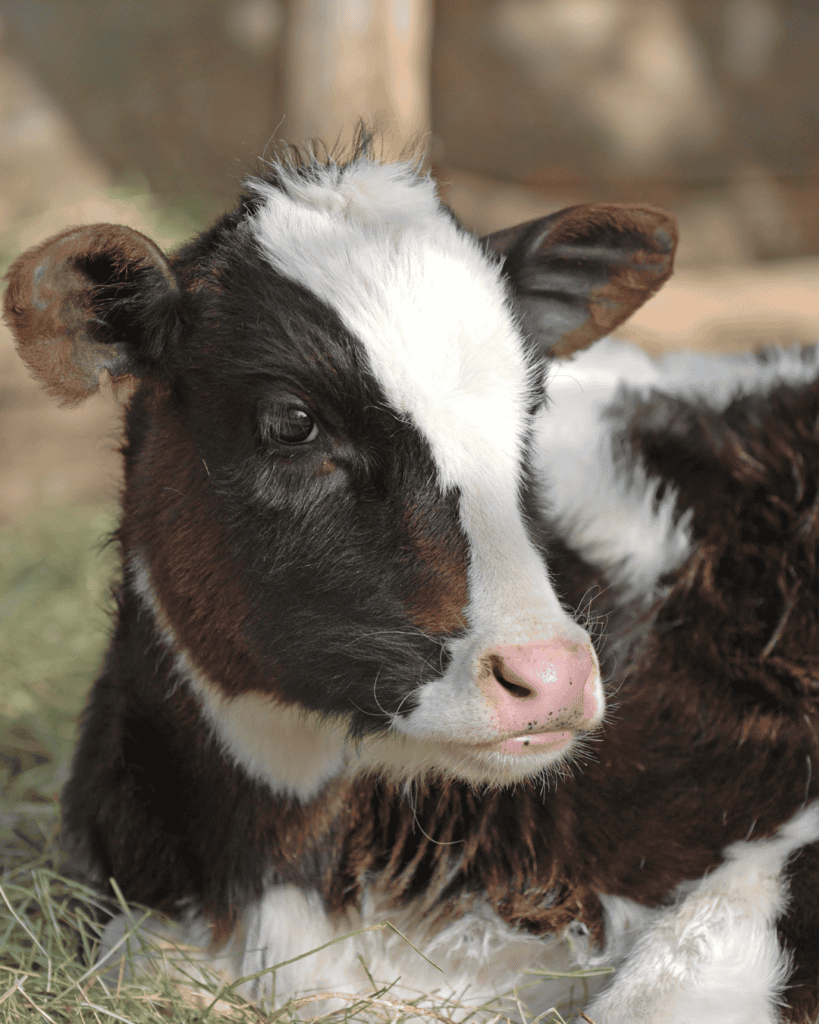
It’s that time of year again – calves are dropping and heading into their warm, dry sheds, eagerly awaiting their first feed. Getting calf feeding right from day one sets the tone for the rest of the animal’s productive life, and it’s a lot more than just colostrum on day one. Getting Colostrum Right –…
Read MoreIs Your Senior Pet Slowing Down? It Could Be More Than Just Ageing
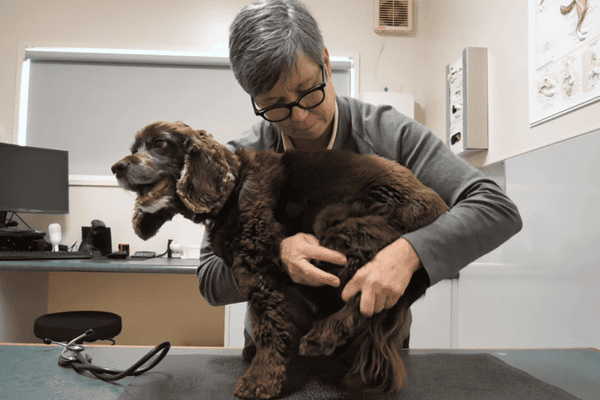
Many pet owners assume it’s normal for older dogs and cats to slow down. But reluctance to jump, stiffness after resting, struggling with stairs, or reduced enthusiasm for walks can all be signs of osteoarthritis or chronic pain. The good news is that there are now more options than ever to help senior pets stay…
Read MoreSheep, Beef, Deer Newsletter Winter 2026
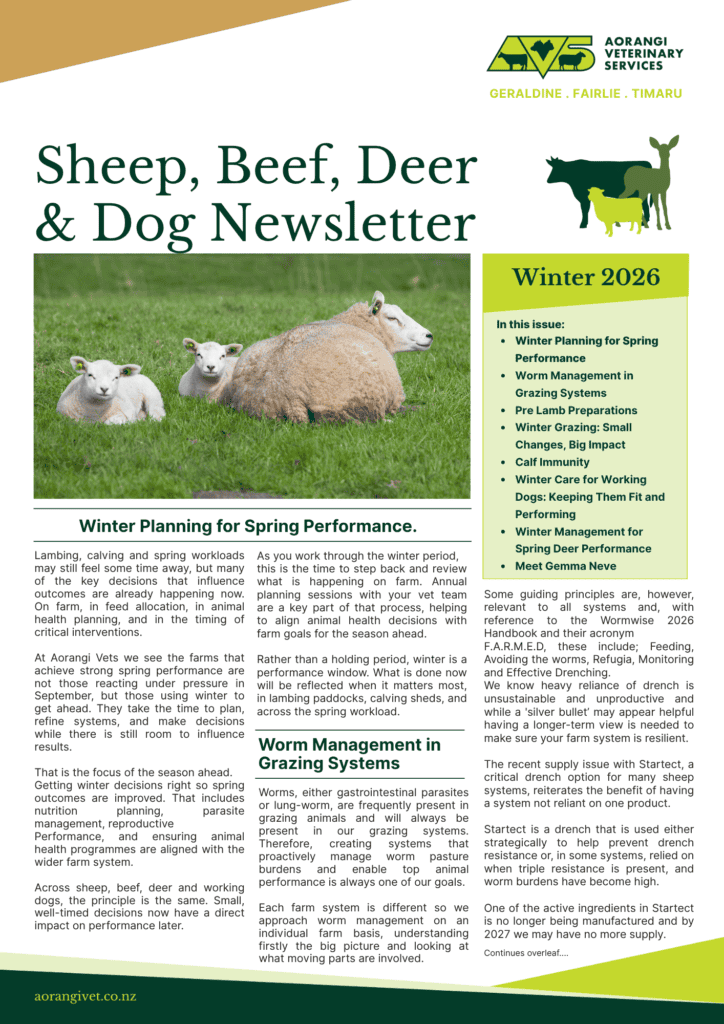
Winter Planning for Spring Performance. Lambing, calving and spring workloads may still feel some time away, but many of the key decisions that influence outcomes are already happening now. Read our latest newsletter to find out more about how you can make the most of winter for strong performance come spring. At Aorangi Vets, we consistently…
Read MorePuppy Vaccination Schedule: What Your Puppy Needs and WhenWhat Vaccinations Does My Puppy Need?

Puppies need a course of three vaccinations, usually given at 6–8 weeks, 10–12 weeks, and 14–16 weeks of age, followed by a booster at 12 months and then annually. These protect against serious diseases including parvovirus and distemper. Getting a new puppy is exciting – and one of the first things we’ll talk to you about at…
Read MoreHas Your Pet Swallowed Something? Signs of a Digestive Blockage

One of the most common – and most avoidable – reasons pets end up at the vet is a digestive tract foreign body. That’s the clinical term for when a pet eats an object that gets lodged somewhere in the digestive tract and can’t pass through on its own. It happens more than you’d think, and it can be serious. Signs…
Read More